

Claude Sonnet 5 のコスト影響:tokenizer 変更後に予算を再計算する方法

Anthropic は Claude Sonnet 5 が新 tokenizer を使い、同じ input text が Sonnet 4.6 より約 30% 多い tokens になる可能性があると説明しています。これはすべての request が正確に 30% 高くなるという意味ではありません。ただし、古い budget baseline は信頼できないという意味です。
直接の結論
| 状況 | 推奨アクション | 理由 |
|---|---|---|
| Sonnet 4.6 task が retries や human cleanup を頻繁に必要とする | Sonnet 5 を先にテスト | token 増加が failed attempts 減少で相殺される可能性 |
| Sonnet 4.6 が高 volume traffic を安定処理している | global migration しない | token count 変化が十分な upside なしに effective cost を上げる可能性 |
| prompts に codebase、documents、tool traces が含まれる | token budget を先に再計算 | long context は tokenizer 変更を増幅 |
| system prompts がよく繰り返される | cache impact を評価 | stable prefix は effective input cost を下げ得る |
| workflow-level token/retry logs がない | observability を先に追加 | traces がないと cost change を測れない |
| request price だけを比較している | accepted-result cost に切り替える | production cost には retries、validation、cleanup、fallback が含まれる |
この記事が対象とする読者
この記事は Sonnet 4.6 または Claude family の production traffic をすでに持つチーム向けです。特に coding agents、code review、support agents、internal operations agents、long-document analysis を運用している場合に有用です。model spend、token usage、cache、retries、p95 latency、fallback、rollout cost を説明する finance、operations、platform team にも向いています。
Token price だけでは不十分
本番 workflow には prompt construction、historical context assembly、tool calls、intermediate reasoning、structured-output validation、failure after retry、fallback route、human review/cleanup が含まれます。
Total cost per accepted result
= first request cost
+ retry cost
+ tool and context cost
+ cache hit or miss impact
+ fallback route cost
+ human cleanup cost
Sonnet 5 が token count を増やしても retries と cleanup をより大きく減らすなら total workflow cost は下がる可能性があります。現在の workflow が短く安定し低リスクなら、token 増加はそのまま higher effective cost になり得ます。
影響を受けやすいワークロード
| ワークロード | コストリスク | 測るべきもの | EvoLink ルーティング |
|---|---|---|---|
| Short support replies | 低から中 | token count、latency、accepted response rate | まず current low-cost route を維持 |
| Coding-agent sessions | 高 | full trace tokens、tool outputs、retries、merge rate | Sonnet 5 を small slice で canary |
| Multi-file code review | 高 | input context、output length、human edits | Sonnet 5 を high-value candidate に |
| Long-document analysis | 高 | context fit、truncation、cache hit rate | input caps と chunking rules を追加 |
| Repeated system-prompt workflows | 中 | cache hit rate と stable-prefix tokens | caching と routing controls を組み合わせる |
| Structured-output generation | 中 | validation failures と retry count | schema と retry strategy を先に修正 |
| Bulk low-risk generation | 中から高 | per-task tokens、throughput、total bill | 通常 Sonnet 5 を優先しない |
この表は Sonnet 5 が高いかどうかではなく、どの tasks が異なる budget strategy を必要とするかを問うものです。EvoLink ならこの判断を application code ではなく routing layer に置けます。
Tokenizer 変更が cost を増幅する仕組み
max_tokens が切れやすくなる、long-context request に retrieval/summarization/chunking が必要になる、cache economics が変わる、usage alerts と budget thresholds の baseline が変わる、という形で出ます。約 30% という tokenizer note は fixed price increase formula ではありません。自分たちの real prompts を再計算すべき budget-risk signal です。
Sonnet 5 が安くなる場合
Sonnet 5 は 1 回の attempt が重くても、task path が短くなれば安くなることがあります。coding agents の repair loops、code review の human edits、long-document analysis の follow-up prompts、internal agents の human handoffs、structured outputs の validation failures が減る場合です。
| コスト変化 | 想定される結果 |
|---|---|
| Tokens increase, but retries drop materially | Total cost may fall |
| Tokens increase, retries stay the same | Total cost likely rises |
| Tokens increase, output improves, but review load stays the same | Business value must justify the spend |
| Tokens increase, cache hit rate improves | Budget may stay stable |
| Tokens increase and fallback triggers often | Pause migration and inspect routing |
EvoLink での budget controls
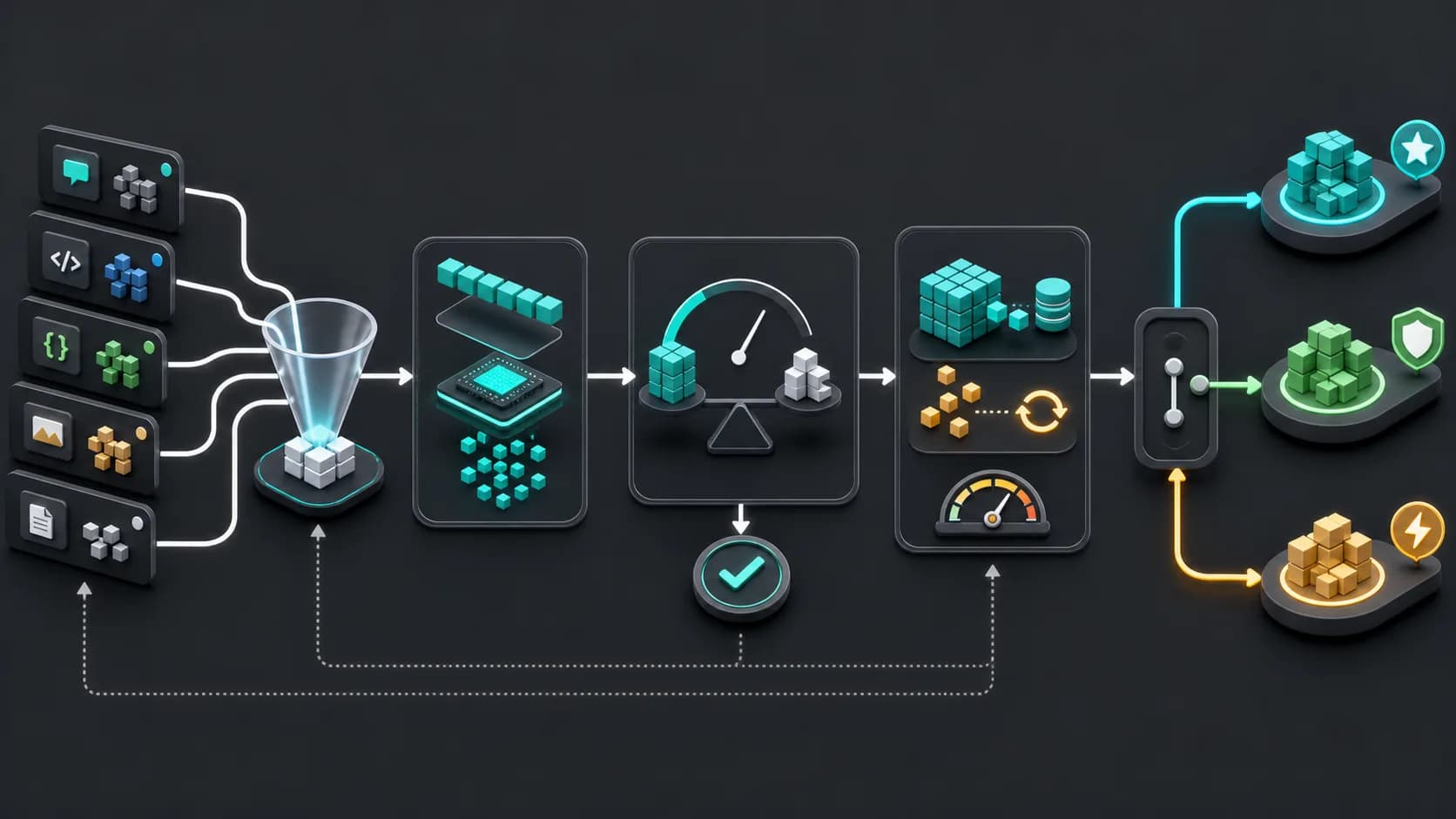
| 制御項目 | 仕組み | 解決する問題 |
|---|---|---|
| Route by task | simple tasks は low-cost route、高価値 task は Sonnet 5 | すべての request が stronger model になるのを防ぐ |
| Keep fallback | Sonnet 5 異常時に Sonnet 4.6 または stable route へ戻す | error-rate と cost spike を抑える |
| Cap input size | long context に retrieval、summary、chunking、trimming を使う | context の静かな膨張を防ぐ |
| Log tokens by workflow | single request ではなく complete task を追跡 | real business cost を可視化 |
| Cache stable prefixes | system prompts、tool instructions、policy context を評価 | repeated input cost を下げる |
| Monitor retries | schema failures、parameter errors、tool failures を cost として数える | hidden cost を無視しない |
だから migration は application services に hardcode すべきではありません。EvoLink に model selection、canary rollout、fallback、budget monitoring を unified API gateway として持たせます。
50-task replay method
| ステップ | 実施内容 | 合格基準 |
|---|---|---|
| Select samples | success、failure、long-context、high-volume を含む 50 real tasks | sample が production traffic を反映 |
| Recount tokens | Sonnet 5 path で input、output、tool traces を再測定 | task-level token difference が見える |
| Replay with same criteria | 同じ acceptance rules で outputs を比較 | "よく感じる" では判断しない |
| Log retries | validation failures、tool failures、human edits を数える | cost accounting が complete |
| Estimate total cost | cost per accepted result を計算 | single request では判断しない |
| Assign routes | Sonnet 5 に移す workflow と残す workflow を決定 | canary strategy が明確 |
少なくとも input tokens、output tokens、cache hits、retry tokens、acceptance、p50/p95 latency、validation failure count、fallback trigger count、human edit/review effort を記録してください。
Prompt caching の位置づけ
Prompt caching は repeated、stable、reusable content に有効です。long system prompts、policy/style guides、tool instructions、codebase summaries、fixed business rules、reusable context blocks が該当します。毎回大きく変わる prompt には効きにくく、routing strategy の代替にはなりません。
移行すべきでない場合
requests が短く安定し高 volume で低リスク、workflow-level token/retry/latency/acceptance logs がない、client が old parameters を含む、prompts が Sonnet 4.6 output shape に強く調整済み、latency が critical、または fallback を baseline 安定前に外す予定なら、Sonnet 5 への直接移行は避けてください。
証拠の境界
価格は、introductory pricing window やその後の vendor update を含めて変更される可能性があります。現在の EvoLink ルート価格は product page を基準にし、Anthropic pricing documentation は vendor-level の価格 window と cache rate の確認に使ってください。
約 30% という tokenizer note は fixed price increase ではなく、single benchmark も production-cost conclusion ではありません。信頼すべき証拠は自分たちの workflow traces、token usage、cache hits、retries、latency、fallback rate、accepted outputs です。
関連する EvoLink 記事
- 現在の access、ルート価格、product details は Claude Sonnet 5 product page を確認してください。
- 既存 Sonnet traffic を移行する前に Claude Sonnet 5 vs Sonnet 4.6 を確認してください。
- コストの主因が agent traces、tool calls、test repair loops なら Claude Sonnet 5 for coding agents も確認してください。
最終提案
Claude Sonnet 5 の cost impact は price-table problem ではなく production-routing problem です。
- real Sonnet 4.6 tasks を Sonnet 5 で replay する。
- cost per request ではなく cost per accepted result を評価する。
- high-value、complex、retry-heavy tasks を先に移す。
- short、stable、low-risk work は low-cost route に残す。
- EvoLink routing、fallback、caching、monitoring を組み合わせて budget を制御する。
FAQ
Claude Sonnet 5 は Sonnet 4.6 より常に高くなりますか?
必ずしもそうではありません。新 tokenizer は token count を増やす可能性がありますが、retries、validation failures、human cleanup が減れば total cost は下がることがあります。
現在のルート価格はどこで確認しますか?
最も重要な budget check は何ですか?
real tasks を再計算し、cost per accepted result を比較することです。
約 30% more tokens は 30% more cost ですか?
いいえ。final cost は output length、caching、retries、fallback、acceptance rate にも依存します。
Prompt caching は tokenizer impact を解決しますか?
一部だけです。repeated input cost を下げますが、token measurement、task routing、input caps、fallback strategy の代替にはなりません。
Long-context requests は制限すべきですか?
はい。retrieval、summarization、chunking、trimming、input caps が必要です。
Finance や operations はどの metrics を見るべきですか?
cost per completed workflow、token usage by task type、cache hit rate、retry rate、fallback rate、p95 latency、human edit effort です。
Sonnet 5 は実務上安くなることがありますか?
あります。十分な retries、cleanup、tool rounds を削減できれば token 増加を相殺できます。
すべての request を Sonnet 5 に移すべきですか?
いいえ。high-value または difficult tasks を先に Sonnet 5 へ routing し、routine stable traffic は適切な low-cost route に残します。
この記事は product page の代わりですか?
いいえ。product page が current pricing、access、model identifiers、specifications を所有します。


