

Claude Sonnet 5 비용 영향: 토크나이저 변경 후 예산을 다시 계산하는 방법

Anthropic은 Claude Sonnet 5가 새 tokenizer를 사용하며 같은 input text가 Sonnet 4.6보다 약 30% 더 많은 tokens가 될 수 있다고 설명합니다. 이것이 모든 request가 정확히 30% 비싸진다는 뜻은 아닙니다. 하지만 오래된 budget baseline을 그대로 믿으면 안 된다는 뜻입니다.
직접 결론
| 상황 | 권장 조치 | 이유 |
|---|---|---|
| Sonnet 4.6 task가 retries나 human cleanup을 자주 필요로 함 | Sonnet 5를 먼저 테스트 | 더 높은 token count가 fewer failed attempts로 상쇄될 수 있음 |
| Sonnet 4.6이 고트래픽을 안정적으로 처리 | global migration 하지 않음 | token-count 변화가 충분한 upside 없이 effective cost를 올릴 수 있음 |
| prompts에 codebase, documents, tool traces 포함 | token budget을 먼저 재계산 | long context가 tokenizer 변화를 증폭 |
| system prompts가 많이 반복됨 | cache impact 평가 | stable prefixes가 effective input cost를 낮출 수 있음 |
| workflow-level token/retry logs 없음 | observability 먼저 추가 | traces 없이는 cost change 측정 불가 |
| request price만 비교 | accepted-result cost로 전환 | production cost에는 retries, validation, cleanup, fallback 포함 |
이 글이 맞는 독자
이 글은 이미 Sonnet 4.6 또는 Claude-family production traffic을 가진 팀을 위한 것입니다. 특히 coding agents, code review, support agents, internal operations agents, long-document analysis를 운영하는 팀에 맞습니다. model spend, token usage, cache, retries, p95 latency, fallback, rollout cost를 설명해야 하는 finance, operations, platform 팀에도 유용합니다.
Token price만으로는 부족한 이유
실제 workflow는 prompt construction, historical context assembly, tool calls, intermediate reasoning, structured-output validation, failure after retry, fallback route, human review/cleanup을 포함할 수 있습니다.
Total cost per accepted result
= first request cost
+ retry cost
+ tool and context cost
+ cache hit or miss impact
+ fallback route cost
+ human cleanup cost
Sonnet 5가 token count를 늘려도 retries와 cleanup을 더 크게 줄이면 total workflow cost는 내려갈 수 있습니다. 현재 workflow가 짧고 안정적이며 위험이 낮다면 token 증가는 그대로 higher effective cost가 될 수 있습니다.
영향을 많이 받는 워크로드
| 워크로드 | 비용 리스크 | 측정할 것 | EvoLink 라우팅 조치 |
|---|---|---|---|
| Short support replies | 낮음-중간 | token count, latency, accepted response rate | current low-cost route 먼저 유지 |
| Coding-agent sessions | 높음 | full trace tokens, tool outputs, retries, merge rate | Sonnet 5를 small slice로 canary |
| Multi-file code review | 높음 | input context, output length, human edits | Sonnet 5를 high-value candidate로 사용 |
| Long-document analysis | 높음 | context fit, truncation, cache hit rate | input caps와 chunking rules 추가 |
| Repeated system-prompt workflows | 중간 | cache hit rate와 stable-prefix tokens | caching과 routing controls 결합 |
| Structured-output generation | 중간 | validation failures와 retry count | schema와 retry strategy 먼저 수정 |
| Bulk low-risk generation | 중간-높음 | per-task tokens, throughput, total bill | 보통 Sonnet 5 우선순위 낮음 |
이 표는 Sonnet 5가 비싼지 묻는 것이 아니라 어떤 tasks가 다른 budget strategy를 필요로 하는지 묻습니다. EvoLink는 이 결정을 application code가 아니라 routing layer에 둘 수 있게 합니다.
Tokenizer 변화가 비용을 증폭하는 방식
max_tokens가 더 자주 잘리며, long-context request에 retrieval/summarization/chunking이 더 필요해지고, cache economics가 바뀌며, usage alerts와 budget thresholds를 다시 잡아야 합니다.약 30% tokenizer note는 fixed price increase formula가 아닙니다. real prompts를 다시 세라는 budget-risk signal입니다.
Sonnet 5가 더 저렴해질 수 있는 경우
Sonnet 5는 attempt 하나가 무거워도 task path가 짧아지면 더 저렴해질 수 있습니다. coding agents의 repair loops, code review의 human edits, long-document analysis의 follow-up prompts, internal agents의 human handoffs, structured outputs의 validation failures가 줄어드는 경우입니다.
| 비용 변화 경로 | 예상 결과 |
|---|---|
| Tokens increase, but retries drop materially | Total cost may fall |
| Tokens increase, retries stay the same | Total cost likely rises |
| Tokens increase, output improves, but review load stays the same | Business value must justify the spend |
| Tokens increase, cache hit rate improves | Budget may stay stable |
| Tokens increase and fallback triggers often | Pause migration and inspect routing |
EvoLink에서의 budget controls
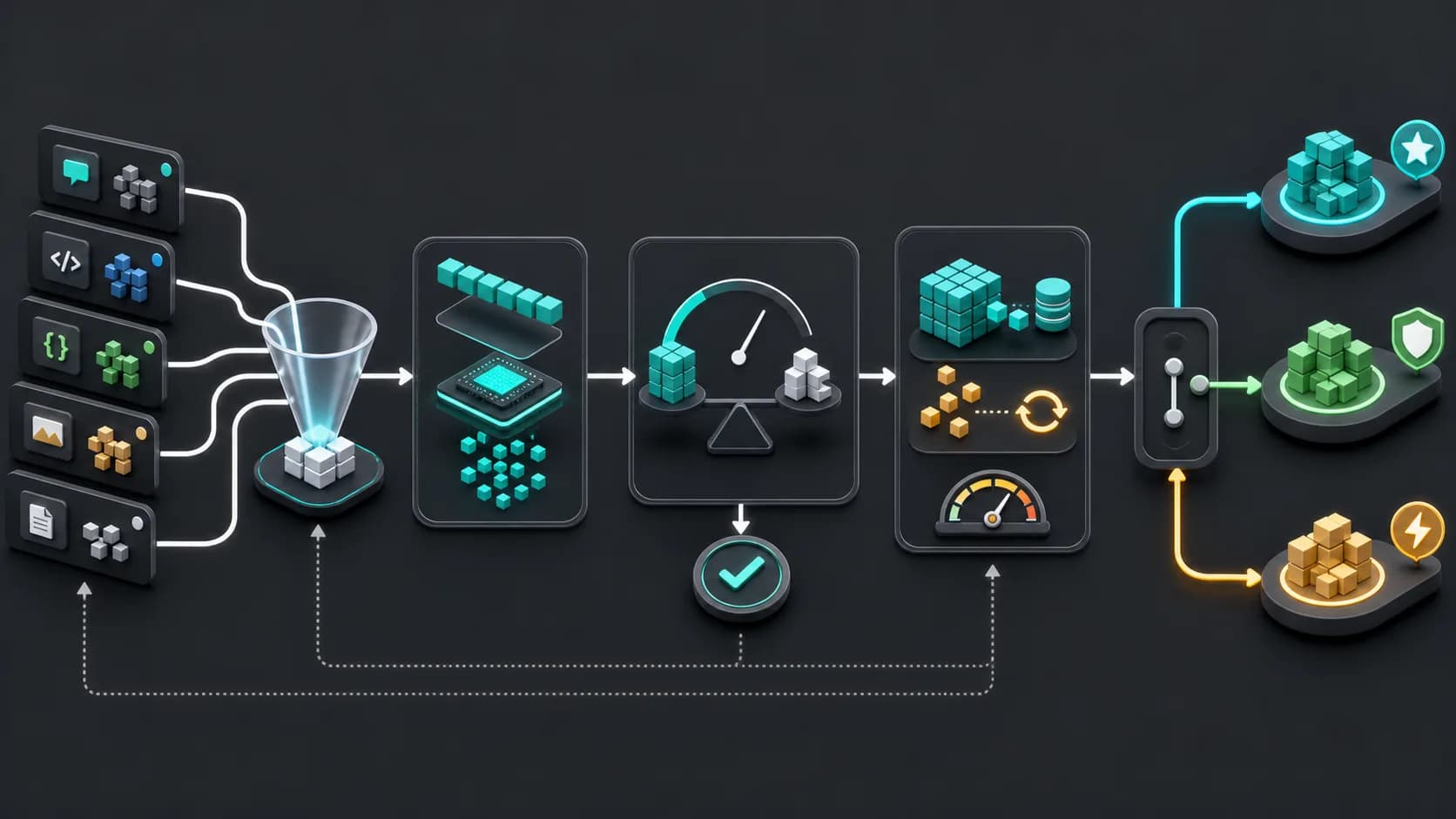
| 제어 항목 | 작동 방식 | 해결하는 문제 |
|---|---|---|
| Route by task | simple tasks는 low-cost routes, high-value tasks는 Sonnet 5 테스트 | 모든 request가 stronger model로 가는 것을 방지 |
| Keep fallback | Sonnet 5 이상 시 Sonnet 4.6 또는 stable route로 복귀 | error-rate와 cost spike 제어 |
| Cap input size | long context에 retrieval, summarization, chunking, trimming 사용 | context가 조용히 커지는 문제 방지 |
| Log tokens by workflow | single request가 아니라 complete task 추적 | real business cost 노출 |
| Cache stable prefixes | system prompts, tool instructions, policy context 평가 | repeated input cost 감소 |
| Monitor retries | schema failures, parameter errors, tool failures를 cost로 계산 | hidden cost 누락 방지 |
따라서 migration을 application services에 hardcode하면 안 됩니다. EvoLink가 unified API gateway로 model selection, canary rollout, fallback, budget monitoring을 담당하게 해야 합니다.
50-task replay method
| 단계 | 수행할 일 | 통과 기준 |
|---|---|---|
| Select samples | success, failure, long-context, high-volume을 포함한 50 real tasks 선택 | sample이 production traffic 반영 |
| Recount tokens | Sonnet 5 path에서 input, output, tool traces 재측정 | task-level token difference 확인 |
| Replay with same criteria | 같은 acceptance rules로 outputs 비교 | "느낌이 좋다"로 평가하지 않음 |
| Log retries | validation failures, tool failures, human edits 계산 | cost accounting 완전 |
| Estimate total cost | cost per accepted result 계산 | single request 기준이 아님 |
| Assign routes | Sonnet 5로 보낼 workflow와 남길 workflow 결정 | canary strategy 명확 |
최소한 input tokens, output tokens, cache hits, retry tokens per task, acceptance, p50/p95 latency, validation failure count, fallback trigger count, human edit/review effort를 기록하세요.
Prompt caching의 위치
Prompt caching은 repeated, stable, reusable content에 유용합니다. long system prompts, policy/style guides, tool instructions, codebase summaries, fixed business rules, reusable context blocks가 해당됩니다. 매번 크게 바뀌는 prompt에는 덜 유용하며 routing strategy를 대체하지 않습니다.
migration하지 말아야 할 때
requests가 짧고 안정적이며 high-volume, low-risk이고 이미 Sonnet 4.6 또는 cheaper route로 충분한 경우, workflow-level token/retry/latency/acceptance logs가 없는 경우, client가 old parameters를 보내는 경우, prompts가 Sonnet 4.6 output shape에 맞춰 많이 튜닝된 경우, latency가 critical한 경우, 새 budget baseline이 안정되기 전에 fallback을 제거하려는 경우에는 직접 migration하지 마세요.
증거 범위
가격은 introductory pricing window와 이후 vendor update를 포함해 바뀔 수 있습니다. 현재 EvoLink 라우트 가격은 제품 페이지를 기준으로 확인하고, Anthropic pricing documentation은 vendor-level 가격 window와 cache rate를 검증하는 기준으로 사용하세요.
약 30% tokenizer note는 fixed price increase가 아니며 single benchmark도 production-cost conclusion이 아닙니다. 신뢰할 증거는 자체 workflow traces, token usage, cache hits, retries, latency, fallback rate, accepted outputs입니다.
관련 EvoLink 글
- 현재 access, 라우트 가격, product details는 Claude Sonnet 5 제품 페이지를 확인하세요.
- 기존 Sonnet traffic을 migration하기 전에는 Claude Sonnet 5 vs Sonnet 4.6을 확인하세요.
- 비용 노출이 agent traces, tool calls, test repair loops에서 크다면 Claude Sonnet 5 for coding agents도 검토하세요.
최종 권장
Claude Sonnet 5 비용 영향은 price-table problem이 아니라 production-routing problem입니다.
- 실제 Sonnet 4.6 tasks를 Sonnet 5로 replay합니다.
- cost per request가 아니라 cost per accepted result를 평가합니다.
- high-value, complex, retry-heavy tasks를 먼저 이동합니다.
- short, stable, low-risk work는 low-cost routes에 유지합니다.
- EvoLink routing, fallback, caching, monitoring을 함께 사용해 budget을 제어합니다.
FAQ
Claude Sonnet 5는 항상 Sonnet 4.6보다 비싼가요?
반드시 그렇지는 않습니다. 새 tokenizer가 token counts를 늘릴 수 있지만 retries, validation failures, human cleanup을 줄이면 total cost는 내려갈 수 있습니다.
현재 라우트 가격은 어디서 확인하나요?
가장 중요한 budget check는 무엇인가요?
real tasks를 다시 세고 cost per accepted result를 비교하는 것입니다.
약 30% more tokens는 30% more cost인가요?
아닙니다. final cost는 output length, caching, retries, fallback, acceptance rate에도 달려 있습니다.
Prompt caching이 tokenizer impact를 해결하나요?
일부만 해결합니다. repeated input cost를 줄일 수 있지만 token measurement, task routing, input caps, fallback strategy를 대체하지 않습니다.
Long-context requests는 제한해야 하나요?
네. retrieval, summarization, chunking, trimming, input caps가 필요합니다.
Finance나 operations는 어떤 metrics를 봐야 하나요?
cost per completed workflow, token usage by task type, cache hit rate, retry rate, fallback rate, p95 latency, human edit effort입니다.
Sonnet 5가 실제로 더 저렴할 수 있나요?
네. 충분한 retries, cleanup, tool rounds를 줄이면 higher token counts를 상쇄할 수 있습니다.
모든 request를 Sonnet 5로 옮겨야 하나요?
아니요. high-value 또는 difficult tasks를 먼저 Sonnet 5로 routing하고 routine stable traffic은 적절한 low-cost route에 유지하세요.
이 글이 제품 페이지를 대체하나요?
아니요. 제품 페이지가 current pricing, access, model identifiers, specifications를 소유합니다.


