How to Make a Two-Person AI UGC Conversation Ad
Build a two-person AI UGC ad around one clear question, an honest answer and footage that verifies the product detail.
 JessieCOO
On this page
Give one speaker a real purchase question and the other a way to answer it on screen. Plan turns, short reaction beats and a product insert. Review dialogue and picture separately before approving both.
Make each speaker perform a different job
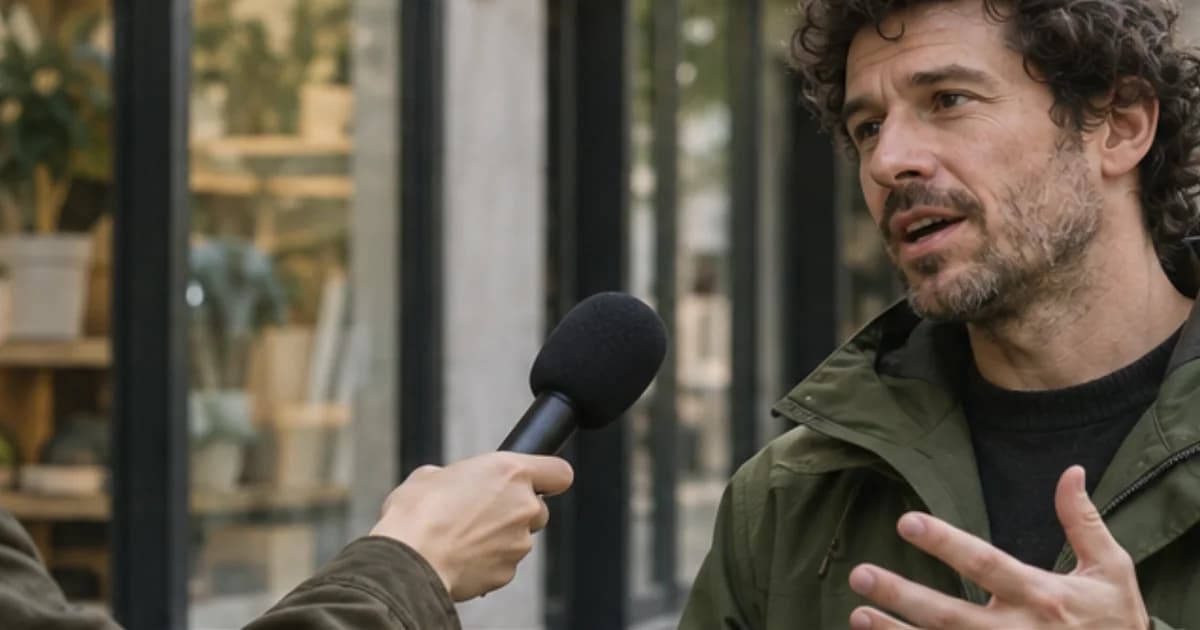
In this hypothetical organizer ad, the buyer asks whether their charger will fit. The presenter can show one charger going into the pocket and explain how to check another. A question advances the demonstration when the viewer could actually ask it before making a decision.
| Speaker | Sample line | What the edit needs |
|---|---|---|
| Buyer | “Will my charger fit in that pocket?” | Stay on the question until it is finished |
| Presenter | “This one fits. Here’s the opening.” | Show the real pocket and sample charger |
| Buyer | “Mine’s a bit wider.” | A brief reaction or a return to the size detail |
| Presenter | “Compare its width with the pocket before choosing.” | Display accurate dimensions if available |
Avoid giving the buyer a rehearsed history or pretending a synthetic person has used the product. With fictional dialogue, use the format to explain a decision.
Build a shot and audio plan
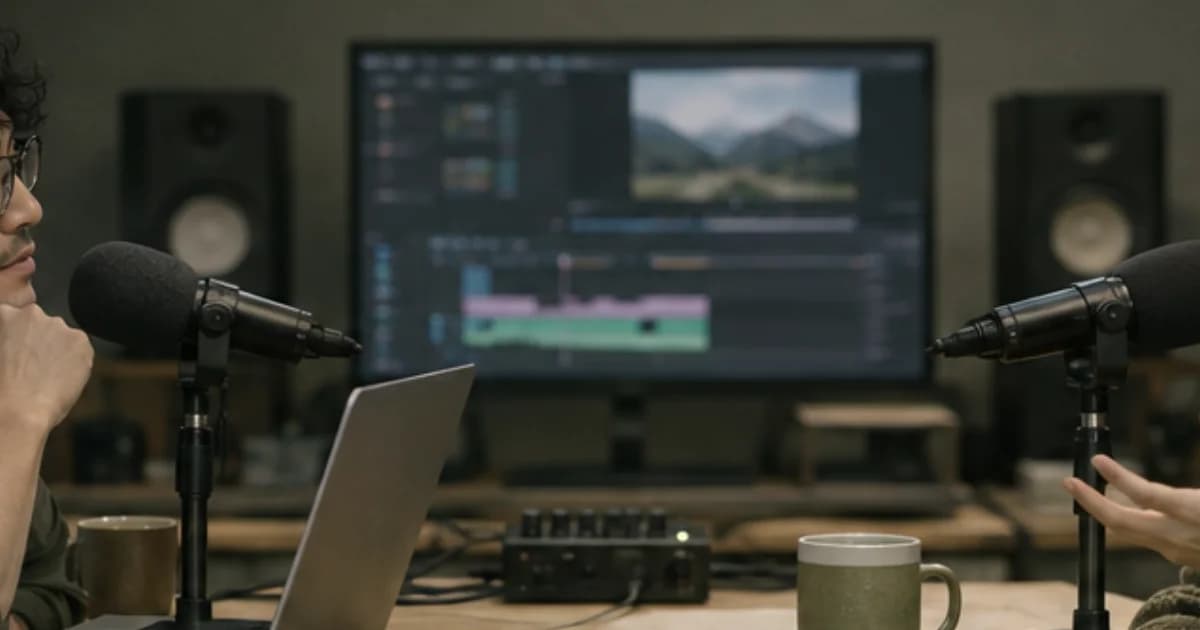
Place reaction shots during listening beats, not over an important answer unless a clear product image can carry it. For each line, verify that the visible person speaks, the other person reacts or listens, and the edit still makes sense when the viewer only hears the sound.
Rework the shortest defective segment
If names or facts are wrong, revise the audio first. If a second person mouths the same line, isolate the speaker in a separate shot. If the product proof is missing, fix the real insert and re-time the dialogue around it. Use an approved recording when exact pronunciation cannot be obtained reliably.
Save the script version, voice choice, raw shots, edit and issue timestamps. Approve the finished ad when a viewer can identify the question, see the answer and understand the next step. The quality of the conversation and the ad’s conversion rate are separate questions.