How to Write a Storytime AI UGC Video Around One Product Detail
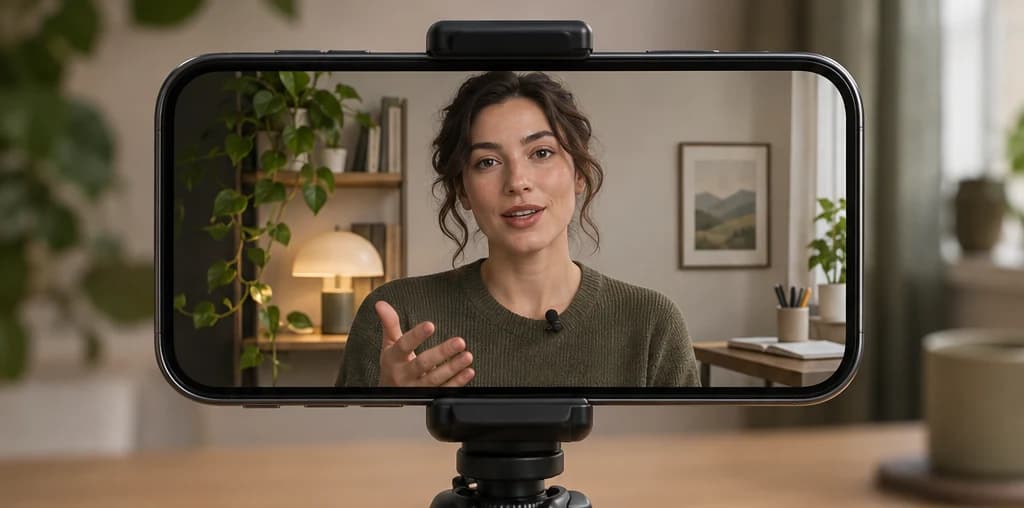
Write a short AI UGC story from a concrete event, one product decision and a scene that shows what happened.
 JessieCOO
On this page
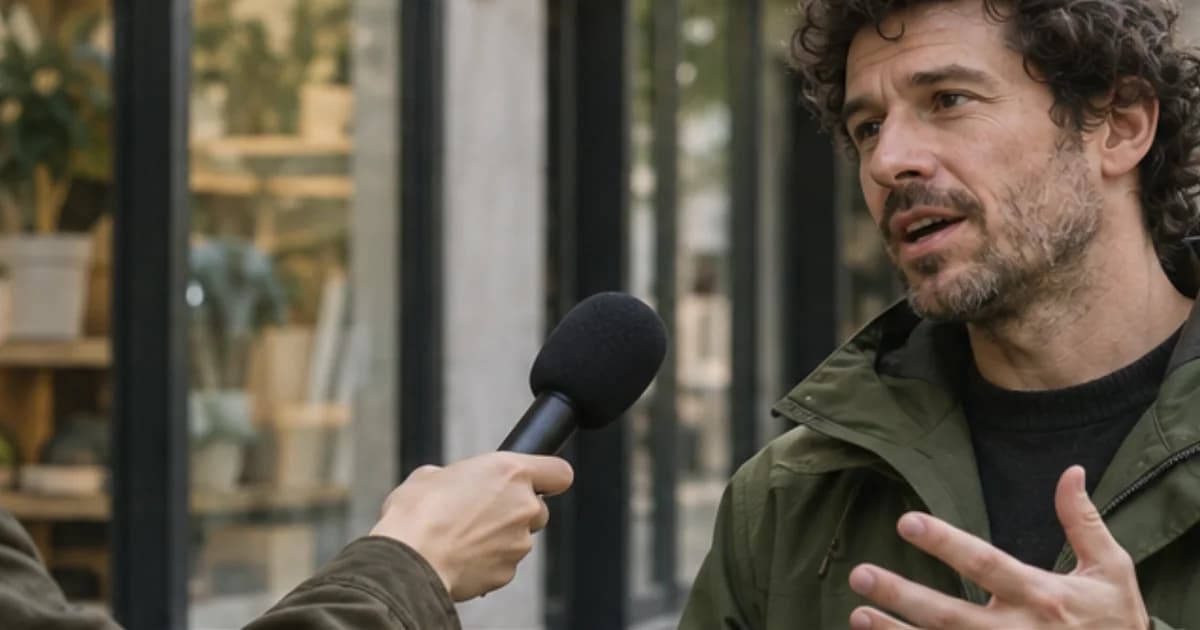
Start with one recognizable event, build to one turn, and show the product detail that explains what changed. Write the closing line after choosing the evidence shot. A storytime format can be staged, but the viewer should be able to distinguish an illustrative story from actual customer testimony.
Find the moment rather than listing benefits
For a fictional travel-organizer story, the event is a rushed airport stop. The presenter needs the charger, opens the bag, and finds it in a known pocket. The part worth showing is reaching that pocket and getting the charger back out. Additional features, such as material and color, can be left to another ad unless they matter to the event.
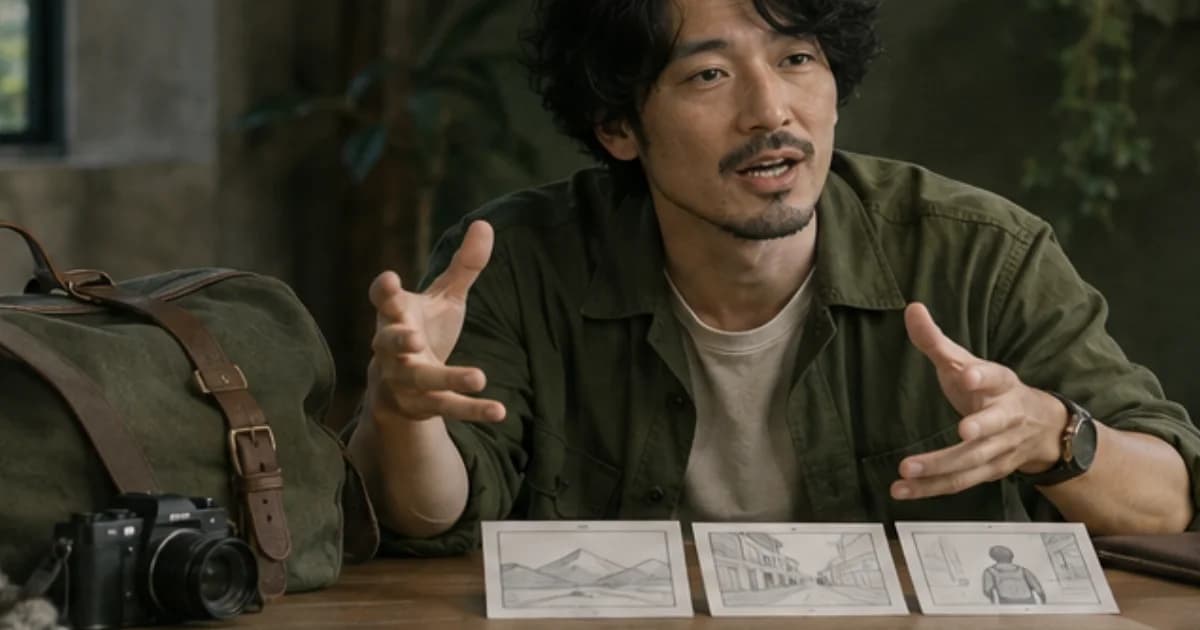
| Beat | What the viewer learns | Illustrative line or picture |
|---|---|---|
| Setup | A charger is needed while moving quickly | “You know when you’ve got two minutes and your phone needs a charge?” |
| Turn | The presenter does not want to search the bag | Show a cluttered bag and then the separate pocket |
| Proof | The charger shown fits and can be retrieved | Real product close-up, with the hand leaving and returning |
| Close | The viewer can check whether their charger fits | “Compare your charger with the pocket dimensions.” |
Write a hook that the next shot can complete
Try a question and a scene-led opening around the same proof. A second version might open on the bag and say “Here’s where the charger goes when you can’t stop to unpack everything.” Keep both versions focused on the same pocket. A line about “never losing anything again” goes beyond what the shot can establish.
Ask what the edited story actually says
Watch the rough version without the script. Can someone tell what changed when the pocket was shown? Is the story using a fictional narrator to claim a real trip? Is the final action relevant to the result? Give the evidence enough screen time and remove any sentence that depends on an unverified personal history or result.
Keep the setup, product shot and closing in a reusable outline. Testing different openings around one clear product scene is easier to interpret than changing the story, product claim and ending together.