

OmniHuman 1.5 API Guide:: A Cost-Efficient, High-Fidelity Talking-Head API Alternative to HeyGen

In today's Generative AI ecosystem, text-to-video models such as Sora and Kling often dominate public attention.
1. What Is OmniHuman 1.5?
OmniHuman 1.5 is a state-of-the-art audio-driven talking head model that transforms a single reference image into a fully animated, speech-synchronized video. This capability is the backbone of modern automation pipelines:
- Automated Training & LMS Content: Use OmniHuman 1.5 to generate lecturer videos at scale
- Multilingual Localization: Dub videos cheaply using AI lip-sync technology
- Real-time Customer Support Avatars: Low-latency video agents
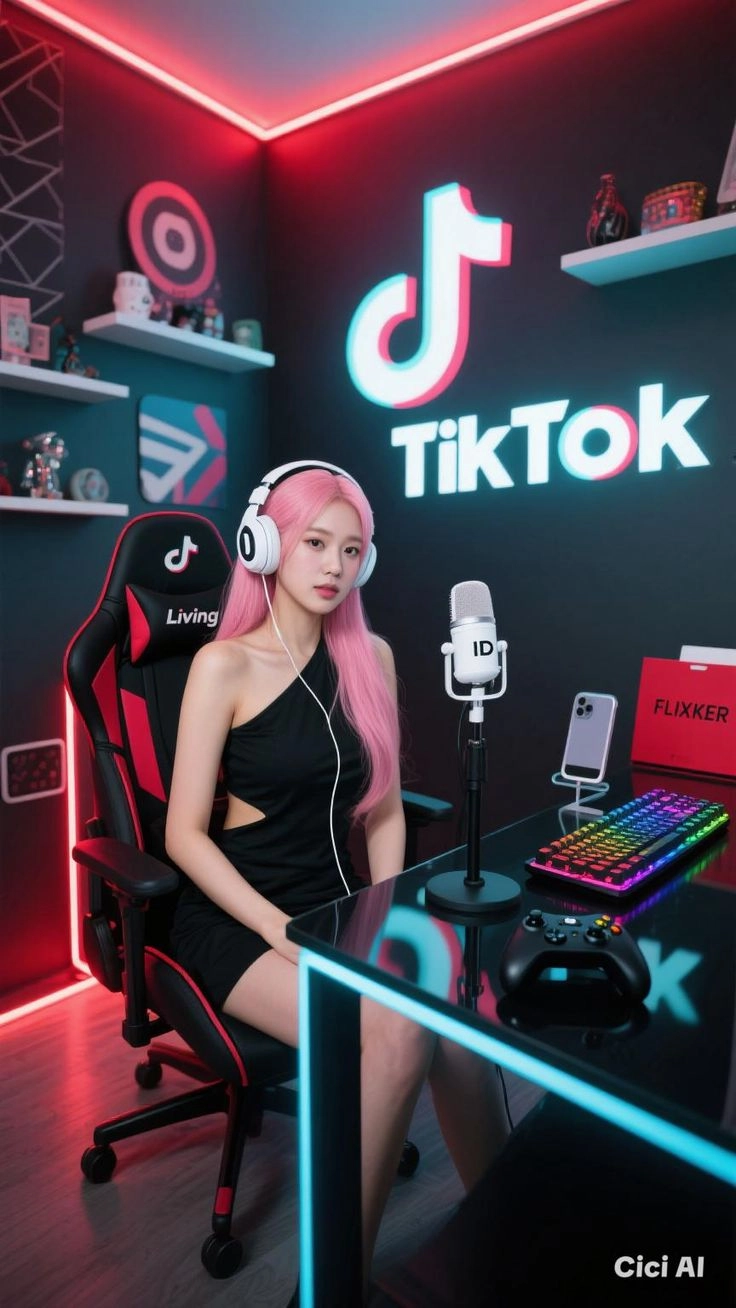
- VTuber / Virtual Influencer Automation: Leverage OmniHuman 1.5's native anime support
- Faceless YouTube Channels: Create consistent character-driven storytelling
2. Why Developers Choose OmniHuman 1.5
A. Advanced Multi-Speaker Control
B. Correlation-Based Emotion Modeling
OmniHuman 1.5 analyzes intonation, rhythm, and energy from the audio input. It automatically generates facial expressions and micro-motions aligned with the speech prosody. This means videos generated by OmniHuman 1.5 do not require manual keyframing to look natural.
C. Native Anime & Stylized Character Support
Most Western models (like HeyGen or Synthesia) are trained heavily on realistic human faces. OmniHuman 1.5 is a standout performer for non-realistic assets, natively handling:
- Anime / Manga styles
- 2D stylized characters
- VTuber avatars
D. Production Stability Strategy

3. Economics: Breaking the "SaaS Tax"
Most AI video platforms follow a consumer-focused pricing model that punishes scale.
The SaaS Reality (e.g., HeyGen / D-ID)
| Feature | SaaS Platform (HeyGen/D-ID) | API (OmniHuman 1.5) |
|---|---|---|
| Pricing Model | Monthly Subscription | Pay-as-you-go |
| Effective Cost | ~$2.00 per video minute | ~$0.10 - $0.30 per second |
| Scalability | Expensive for high volume | Linearly scalable |
| Flexibility | Restricted by UI/Credits | Fully programmable |
4. The Accessibility Barrier
If OmniHuman 1.5 is so powerful, why isn't it the industry standard yet?
- Region-Locked Documentation: The official Volcengine docs are primarily in Chinese, creating friction for global developers
- Strict KYC Requirements: Accessing the official API often requires complex enterprise verification (China-based business licenses)
- Payment Limitations: Regional payment gateways make direct billing difficult for international teams
This leaves many global developers stuck with lower-quality open-source models—unable to access the superior quality of OmniHuman 1.5.
5. The Solution: OmniHuman 1.5 via EvoLink
- ✅ No KYC / No Business License Required
- ✅ Instant API Key Access
- ✅ Unified English Documentation
- ✅ Wholesale-style Pricing
- ✅ Built-in Reliability (Retries & Rate Limits)
You get all the raw power of OmniHuman 1.5 without the bureaucracy.
6. Python Implementation Example
EvoLink abstracts the complexity of the underlying model into a clean, unified interface. Here is a conceptual example of how to generate a video:
import requests
import json

# 1. Setup your API Key and Endpoint
API_KEY = "YOUR_EVOLINK_API_KEY"
URL = "https://api.evolink.ai/v1/video/generations"

headers = {
    "Authorization": f"Bearer {API_KEY}",
    "Content-Type": "application/json"
}

# 2. Define the Payload
# EvoLink simplifies the parameters for easy integration
payload = {
    "model": "omni-human-1.5",
    "image_url": "https://your-server.com/avatar.jpg",  # Your reference image
    "audio_url": "https://your-server.com/speech.mp3",  # Your audio file
    "options": {
        "enhance_face": True,   # Optional: optimizations
        "style": "cinematic"    # Optional: prompt control
    }
}

# 3. Submit the Task
print("Submitting video generation task...")
response = requests.post(URL, json=payload, headers=headers)

# 4. Handle Response
if response.status_code == 200:
    print("Task Submitted:", response.json())
else:
print("Error:", response.text)7. Use Cases: Who Should Use This?
- Multilingual Content Pipelines: Re-generate lip-sync for translated audio using OmniHuman 1.5
- LMS Automation: Update training course avatars without re-filming
- Virtual Influencers: Run VTuber accounts with automated scripts using OmniHuman 1.5's anime support
- Faceless YouTube: Create consistent character-driven storytelling channels


8. FAQ
9. Conclusion
OmniHuman 1.5 represents the cutting edge of talking-head generation—combining realistic lip sync, emotional alignment, and cinematic control.


