

Seedream 4.5 Cost Optimization: Scale Image Generation Without Overspending

Seedream 4.5 is a strong production image API — 4K output, text rendering, multi-image editing — but every one of those capabilities has a cost lever attached to it. Output resolution, batch size, reference image count, and workflow design all affect your monthly bill.




The Landscape: Why Seedream 4.5 Matters
Most image-generation models excel at artistic expression but struggle in structured, production-grade scenarios where text accuracy, multi-character consistency, and material realism are essential. Doubao-Seedream 4.5 addresses these long-standing limitations by introducing a set of capabilities optimized for commercial imaging workflows.
Seedream 4.5 currently supports the following key functions through its API:
1. Native Text Rendering (OCR-Free, High Precision)
Best for: e-commerce posters, marketing key visuals, product packaging.
Earlier models—whether SDXL-based or diffusion variants—commonly produced distorted or unreadable text. Seedream 4.5 significantly improves this by enabling accurate rendering of specific English words and short phrases directly within the generated image, including brand names, simple slogans, or label-style text.
Example: A comparison showing a typical SDXL output vs. Seedream 4.5 rendering the phrase “SUMMER SALE” with clean character shapes.
[Available via API]
This feature makes Seedream 4.5 one of the more reliable text-handling models in its category, complementing other visual engines such as Wan 2.5, which focuses on realism, and Veo 3.1, which emphasizes speed.
2. Multi-Subject Consistency (Stable Characters in One Frame)
Best for: storytelling scenes, illustrations, portraits with multiple people.
Seedream 4.5 improves stability in scenes containing three or more distinct characters, reducing common issues like limb merging, facial distortions, or inconsistent proportions. Character separation and interaction remain visually coherent across a single frame, making it well-suited for scenes involving groups or narrative compositions.
Example: A generated image of three hikers with distinguishable faces, clothing, and body posture. [Available via API]
This consistency also provides an alternative for workflows that previously relied on cinematic-style models like Sora 2 when only still images are required.
3. Hyper-Realistic Material Rendering (Product-Grade Visual Fidelity)
Best for: product photography, apparel/shoe display, food imagery.
Seedream 4.5 demonstrates strong material understanding across a variety of textures—leather grain, metallic highlights, soft fabric fibers, moisture, or fruit surfaces. The model can generate visuals that resemble light-controlled studio photography, reducing the need for staged shoots in certain catalog or concept workflows.
Example: Product visualization with realistic surface reflections and detailed texture reproduction. [Available via API]


Official Provider vs Aggregation Layer: Cost Structure & Integration Differences
When using Seedream 4.5 in production, there are two common access paths:
- connecting directly to the official model provider, or
- using an aggregation layer that provides access through a standardized API format.
Both paths ultimately return the same image-generation output, but the surrounding cost, concurrency, and integration experience can differ. The comparison below summarizes the typical distinctions found across many commercial model providers and aggregation platforms:
| Feature | Direct Integration | Aggregation Layer |
|---|---|---|
| Pricing Model | Follows the provider’s standard rate card, often tied to account tier or usage volume | May offer lower unit costs due to pooled traffic and shared volume benefits |
| Authentication / SDKs | Provider-specific SDKs or signature rules | Standardized request format, making it easier to work across multiple models |
| Billing Method | Enterprise-style invoicing or tiered accounts | Unified usage-based billing across all supported models |
| Concurrency | Concurrent request limits depend on the provider’s plan | Automatically scales with aggregated demand, reducing queue bottlenecks |
| Model Output | 100% original Seedream 4.5 | Same model output (no quantization or fine-tuning applied) |
The Verdict: If you are building a commercial application where margins matter, EvoLink provides the exact same pixel output at a lower unit cost.
3 Minutes to Production
Seedream 4.5 follows a clean, standardized request structure.
No provider-specific SDKs are required—any HTTP client or language can call the model using the same JSON format. This makes it easy to use Seedream 4.5 alongside other image models such as Wan 2.5 within the same workflow.
Below are examples of how to generate an image using Seedream 4.5 across commonly used languages.
The Code
import requests

url = "https://api.evolink.ai/v1/images/generations"

payload = {
    "model": "doubao-seedream-4.5",
    "prompt": "A serene lake reflecting the beautiful sunset",
    "prompt_priority": "standard"
}
headers = {
    "Authorization": "Bearer <token>",
    "Content-Type": "application/json"
}

response = requests.post(url, json=payload, headers=headers)

print(response.text)
Real-World Use Cases: Why Scale Matters
Seedream 4.5 becomes particularly valuable in workflows where large volumes of images must be produced with consistent quality. In these settings, cost structure, concurrency, and automation support have a direct impact on production efficiency. Below are several scenarios where the model’s capabilities can meaningfully streamline visual content pipelines.
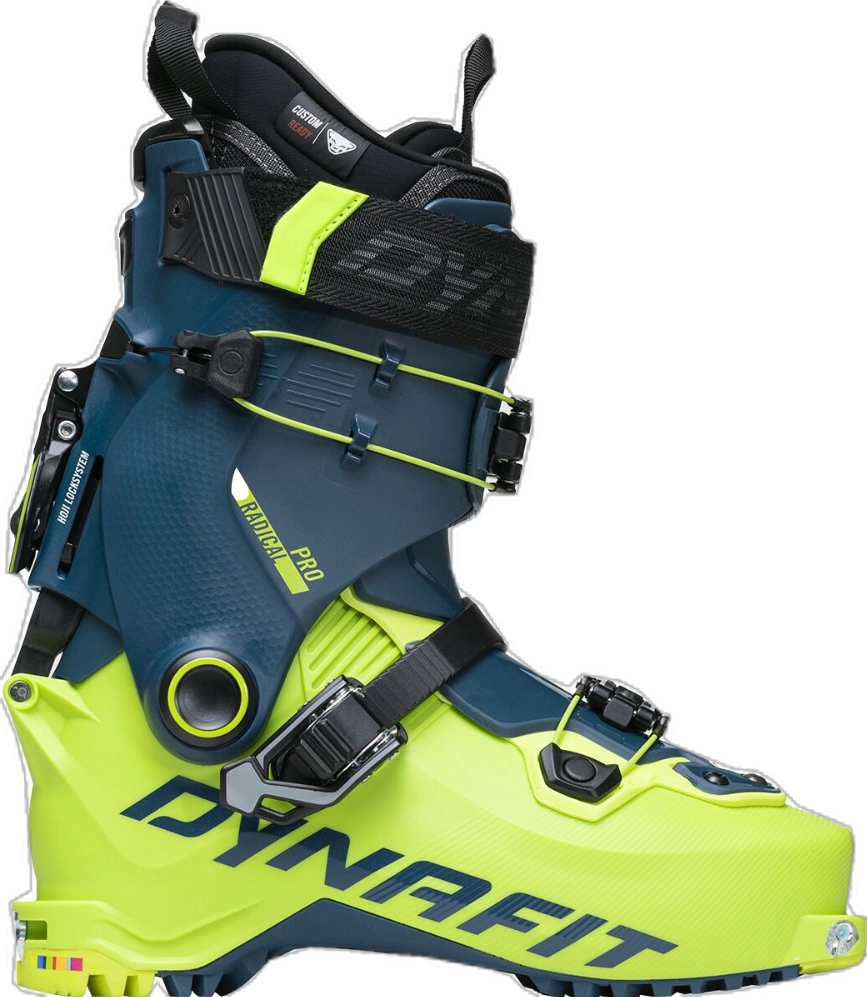
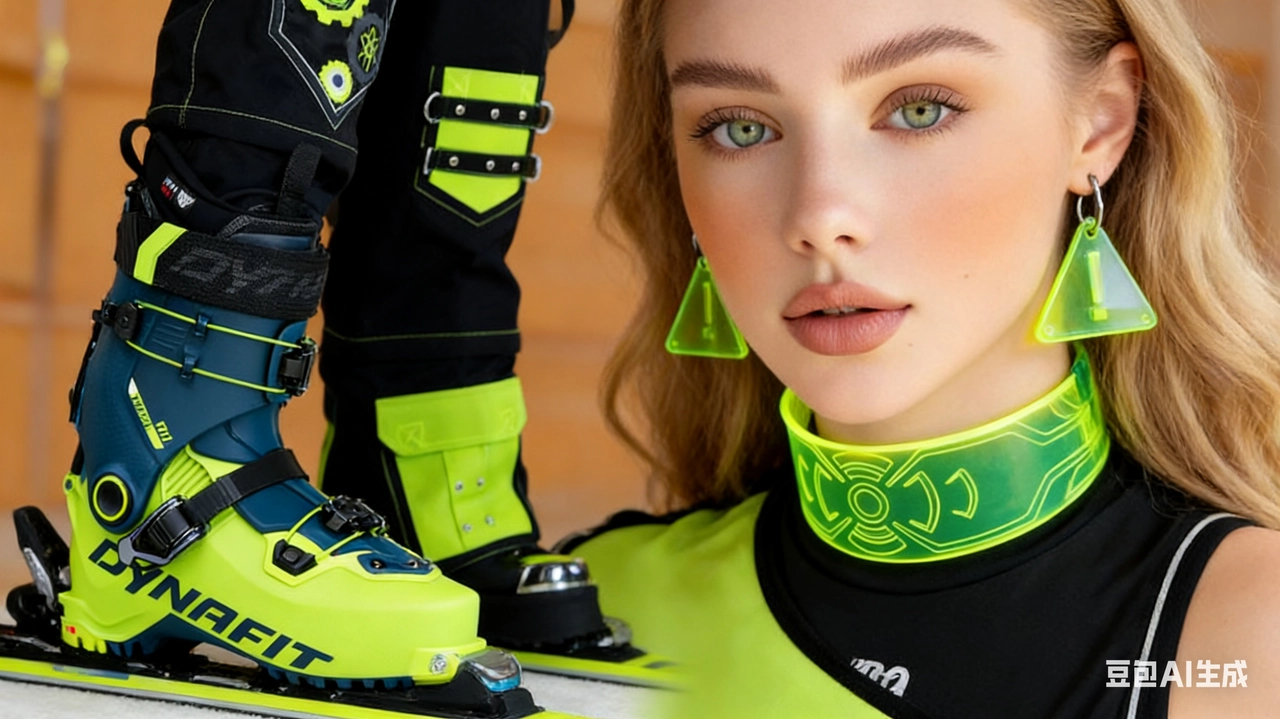
1. E-commerce SKU Image Automation
The Challenge: Retailers managing thousands of SKUs often need multiple visual variations for each product—lifestyle shots, on-model views, environmental compositions, and colorway updates. Producing these manually can be slow and expensive. How Seedream 4.5 Helps:
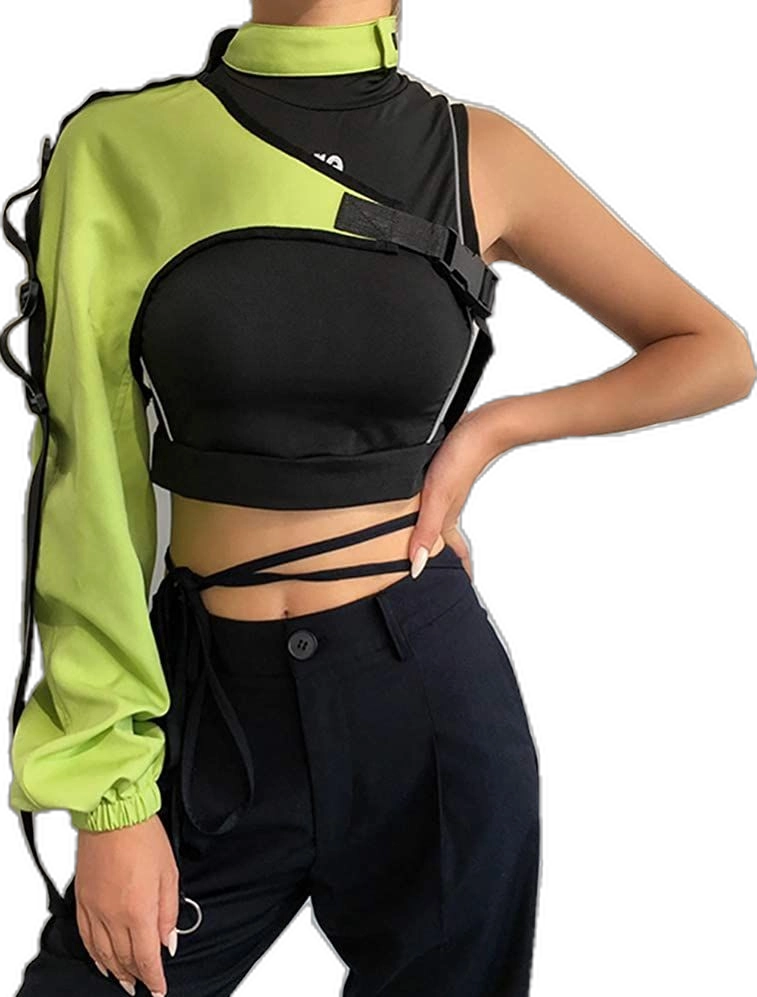
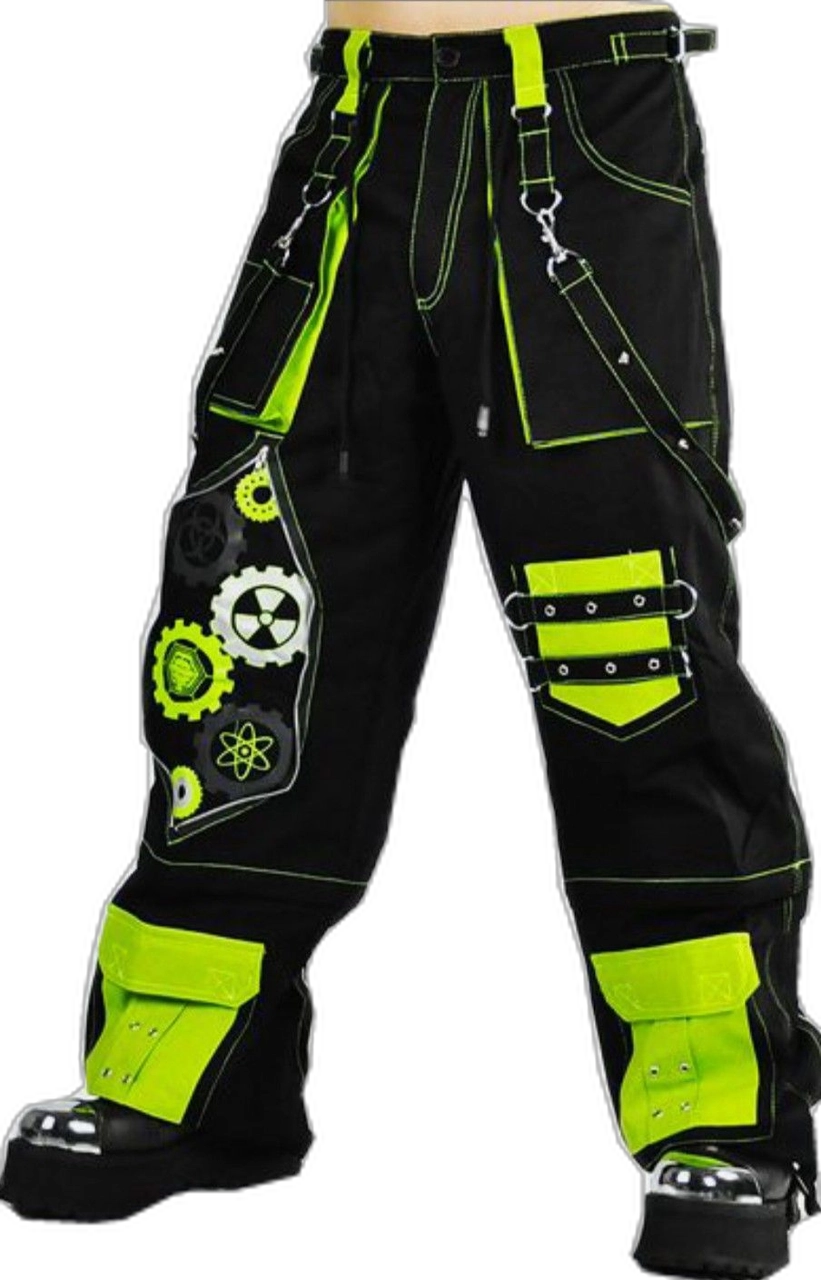
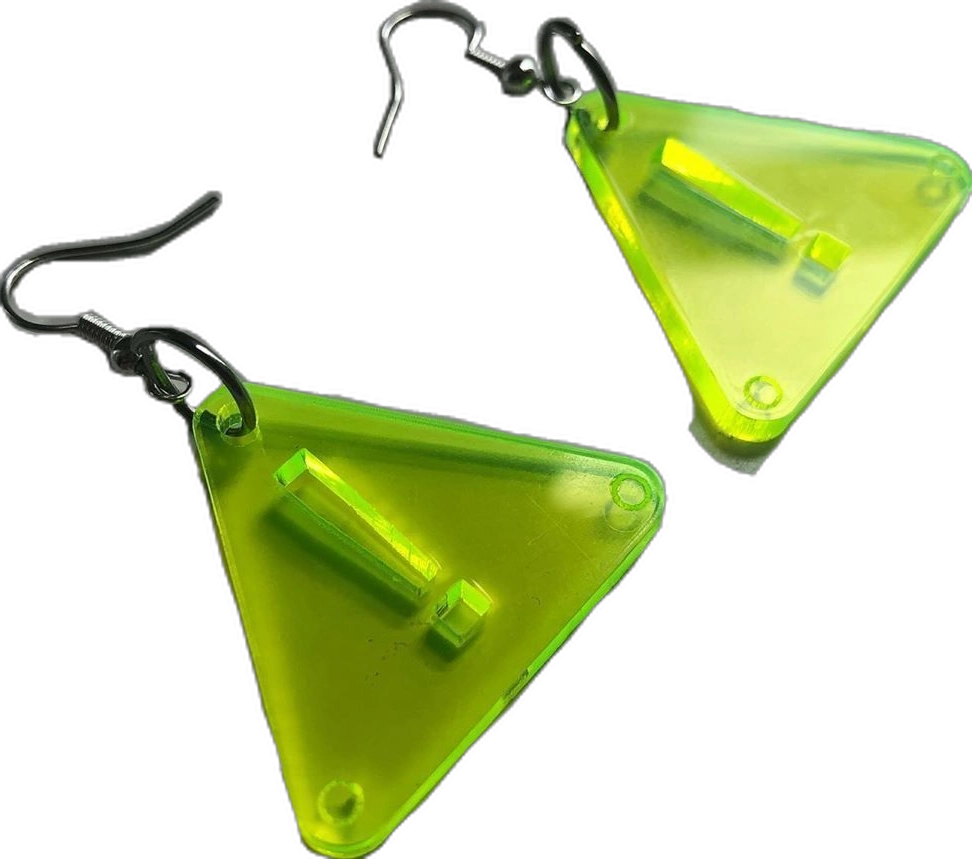
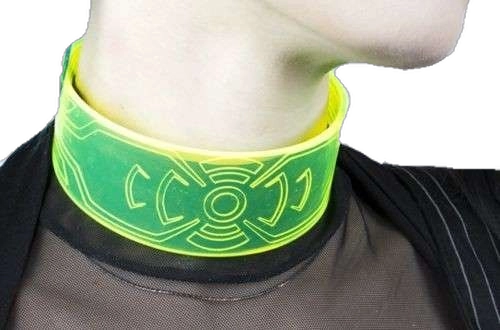
Seedream 4.5 generates product visuals with high material fidelity, including leather texture, fabric detail, surface reflection, and controlled lighting. This makes it suitable for creating large batches of consistent lifestyle or catalog imagery without traditional studio setups. When paired with a standardized API that allows parallel requests, entire SKU collections can be processed in a predictable, automated workflow.
2. Concept Art & Game Asset Exploration
The Challenge: Game studios and creative teams iterate heavily during early concept phases, often requiring hundreds of character or object variations in a short period. How Seedream 4.5 Helps:
The model reliably produces coherent multi-subject scenes and structured character compositions, making it useful for generating exploratory variations for characters, outfits, objects, or environment elements. High concurrency support from an aggregation layer enables teams to run large batches simultaneously, reducing wait times during intense iteration cycles.
3. Automated Social Media Content Pipelines
The Challenge: Agencies managing many accounts—especially narrative or “story format” channels—need frequent, consistent visual updates involving recurring characters and settings.
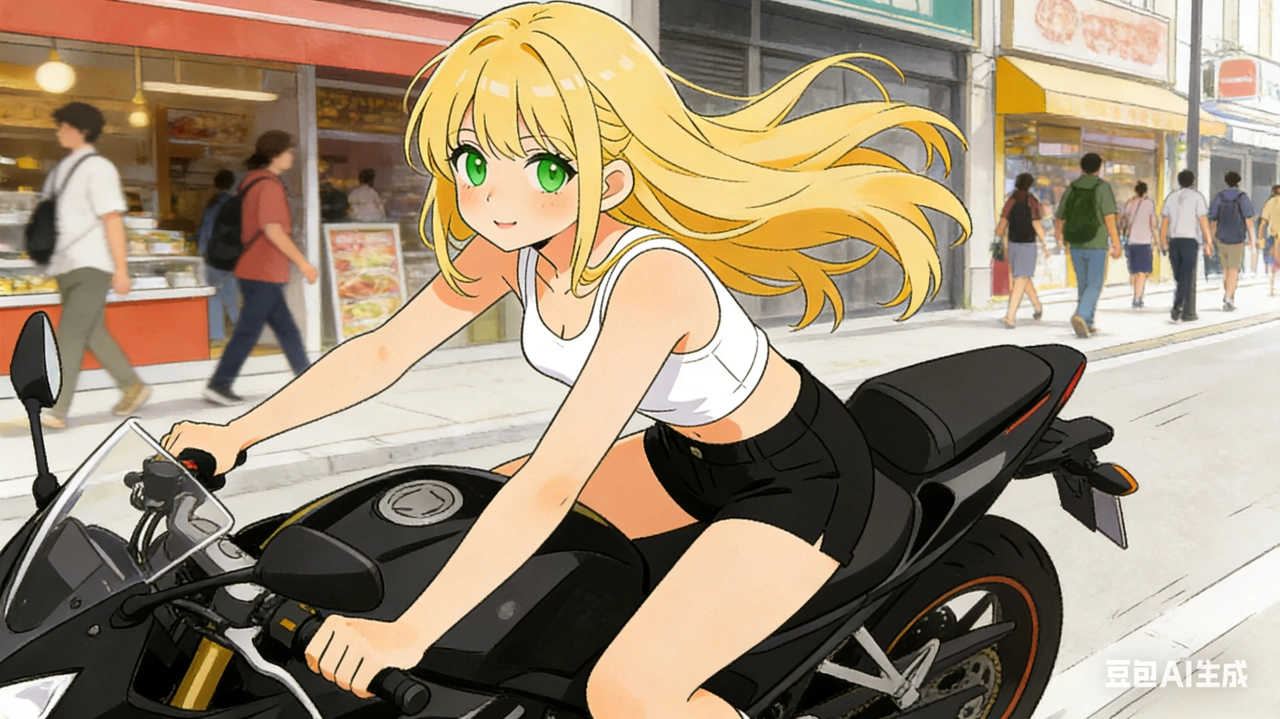
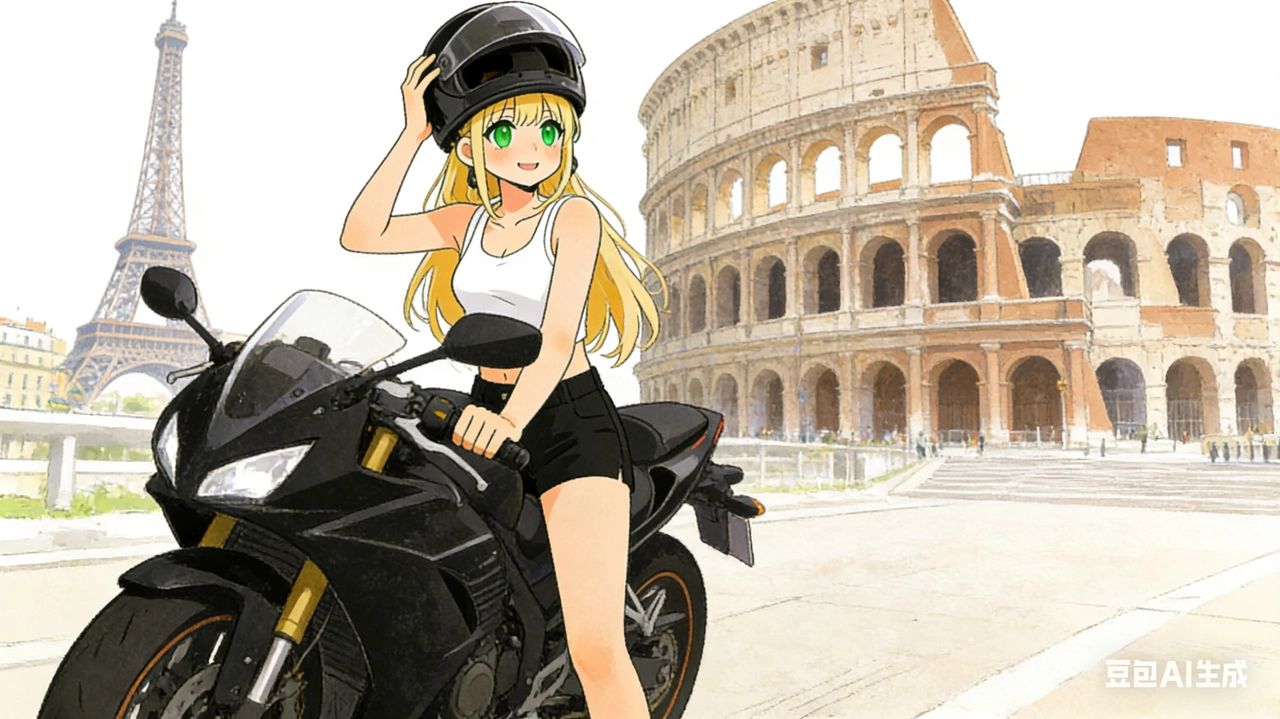
How Seedream 4.5 Helps: Multi-subject consistency allows Seedream 4.5 to maintain stable facial features and body proportions across related scenes. This is important for episodic or character-driven content. When scheduled through tools such as n8n or Make, a stable, uniform API response pattern helps ensure that automated workflows continue running without manual intervention, supporting continuous content output across multiple accounts.


Conclusion
Doubao-Seedream 4.5 represents a notable step forward in image generation for commercial use cases, combining accurate English text rendering, stable multi-subject composition, and high-fidelity material realism. These capabilities make it a strong fit for workflows that require both creativity and structured visual output. Because image-generation pipelines often involve large batches, consistent request handling, and predictable concurrency, having access to Seedream 4.5 through a standardized API format simplifies integration with existing automation tools and multi-model stacks. This allows teams to focus on building their applications rather than managing multiple interfaces or scaling constraints.
If you’re exploring how Seedream 4.5 fits into your imaging workflow, a good place to start is hands-on testing: evaluate prompt patterns, verify text rendering reliability for your specific terms, and benchmark output consistency against models such as Nano banana, Wan 2.5, or Qwen. A unified API key is all that’s needed to begin experimenting.
FAQ
1. What is Seedream 4.5 and how is it used through an API?
Seedream 4.5 is an image-generation model that supports accurate English text rendering, multi-subject compositions, and high-fidelity material realism. Through an API, it can be accessed using a standardized JSON request format, making it compatible with automation tools and multi-model pipelines.
2. Does Seedream 4.5 support reliable text rendering?
Seedream 4.5 can render short English words and phrases directly within the generated image. For best results, include the target text explicitly in the prompt (e.g., The label text reads 'EvoScent'). Performance may vary depending on prompt clarity and text complexity.
3. How does Seedream 4.5 compare to other image models like Nano Banana, Wan 2.5, or Qwen?
Seedream 4.5 focuses on text accuracy, multi-subject stability, and material realism. Models such as Nano Banana, Wan 2.5, or Qwen may prioritize different characteristics, such as generation speed, photorealism, or conceptual variety. Using a unified API format, these models can be benchmarked side-by-side for output quality and workflow fit.
4. What resolutions does Seedream 4.5 support?
Seedream 4.5 supports standard square outputs such as 1024×1024, as well as wider aspect ratios depending on model configuration. The exact available sizes should be tested directly through the API for your specific use case.
5. Can Seedream 4.5 be used for commercial projects?
Yes. Images generated through the API can be used in commercial contexts, including e-commerce, marketing materials, and content production, provided they comply with the relevant terms of use for the model and your application.


