

Comparison
Deep Dive Comparison: MiniMax Hailuo 2.3 vs. MiniMax Hailuo 2.3 Fast vs. Hailuo 0.2 — Which is Your Best Choice?

Jessie
COO
December 29, 2025
13 min read
A practical, production-focused comparison for developers & product teams integrating AI video via EvoLink.ai.
Introduction: Why This Comparison Matters Now
The iteration speed of the MiniMax Hailuo line is fast enough that many teams are now running three models in parallel: MiniMax Hailuo 2.3 for flagship quality, MiniMax Hailuo 2.3 Fast for throughput and unit economics, and Hailuo 0.2 (often written as "Hailuo 02") for legacy prompt fit and stable baselines. MiniMax's own positioning around MiniMax Hailuo 2.3 emphasizes improvements in physical actions, stylization stability, and character micro-expressions.
But in production, choosing between MiniMax Hailuo 2.3, MiniMax Hailuo 2.3 Fast, and Hailuo 0.2 is rarely about "which model is best overall." It's about the mix of: (1) target device (mobile vs big screen), (2) acceptable latency, (3) unit cost per usable draft, (4) motion/physics fidelity needs, and (5) how much prompt migration you can afford this sprint.
This comparison is written for engineers and product teams integrating MiniMax Hailuo 2.3, MiniMax Hailuo 2.3 Fast, and Hailuo 0.2 via an API gateway like EvoLink.ai. We'll keep it practical: spec-like differences, failure modes, migration tips, and a selection framework you can hand to your team.
Note on naming: The legacy model is commonly written as Hailuo 0.2 in community posts. MiniMax's official announcement uses "Hailuo 02," released on 2025-06-18. We'll keep the keyword Hailuo 0.2 for search intent, while calling out the official naming where needed.
TL;DR: If You Only Read One Section
| Pick This Model | When It's the Right Default | What You'll Trade Off |
|---|---|---|
| MiniMax Hailuo 2.3 | High-fidelity shots, close-ups, brand ads, narrative beats, camera motion + physics consistency, best "final render" quality. | Higher latency and higher cost than MiniMax Hailuo 2.3 Fast in many provider pricebooks; not the cheapest draft engine. |
| MiniMax Hailuo 2.3 Fast | High concurrency, rapid iteration, batch drafts, e-commerce SKUs, UGC pipelines, short-form mobile-first video. | Lower default resolution in many deployments (commonly 768p-class) and slightly less headroom than MiniMax Hailuo 2.3 for micro-expression nuance in extreme close-ups. |
| Hailuo 0.2 | Legacy prompt fit, reproducible baseline, teams with heavy prompt overfitting and limited migration bandwidth. | Less mature physics + stylization stability compared to MiniMax Hailuo 2.3 and fewer "production-level" improvements described in 2.3-era docs. |
1) Spec Showdown Table (Corrected Release Context + Practical Specs)
Here's a production-oriented spec table for MiniMax Hailuo 2.3, MiniMax Hailuo 2.3 Fast, and Hailuo 0.2. Release context is based on MiniMax's official announcements for Hailuo 02 and Hailuo 2.3.
| Dimension | Hailuo 0.2 (Legacy / Hailuo 02) | MiniMax Hailuo 2.3 (Standard) | MiniMax Hailuo 2.3 Fast |
|---|---|---|---|
| Release date (official) | 2025-06-18 (officially "Hailuo 02") | 2025-10-28 | 2025-10-28 |
| Core positioning | Solid baseline; earlier-gen instruction following + physics improvements for its time | Production-level improvements: physical actions, stylization, micro-expressions | High-speed / cost-efficient variant for fast pipelines (often deployed for I2V workflows) |
| Resolution patterns (common deployments) | Native 1080p emphasized in Hailuo 02 announcement; 768p/1080p depends on provider/plan | 768p/1080p depends on provider/plan; 2.3 core focus is actions/stylization/micro-expressions, not resolution | 768p/1080p depends on provider/plan; many providers default to 768p for speed/cost |
| Motion & physics | Strong for its generation; "physics mastery" emphasized in 02 announcement | Further improvements in physical actions & stability | Generally very strong motion; tuned for throughput while preserving fidelity |
| Micro-expressions | Baseline / limited nuance vs newer gen | Explicitly highlighted as a key improvement | Good in many scenes, but less headroom than MiniMax Hailuo 2.3 in extreme close-up grading |
| Stylization support | Works; less stable in harder stylized sequences | Stylization improvements called out in 2.3 comms | Supports stylized outputs; stability depends on scene complexity |
| Speed | Baseline | Baseline to moderate (quality-first) | Faster generation times in practice vs Standard (exact multiplier depends on provider/load) |
| Cost | Often cheaper than flagship tiers | Flagship pricing tier in many stacks | Often lower-cost per draft vs Standard in many stacks |
| Supported modes | T2V + I2V | T2V + I2V | Often I2V-only (depends on provider); check your API docs |
2) Quality & Detail: Where MiniMax Hailuo 2.3 Pulls Away
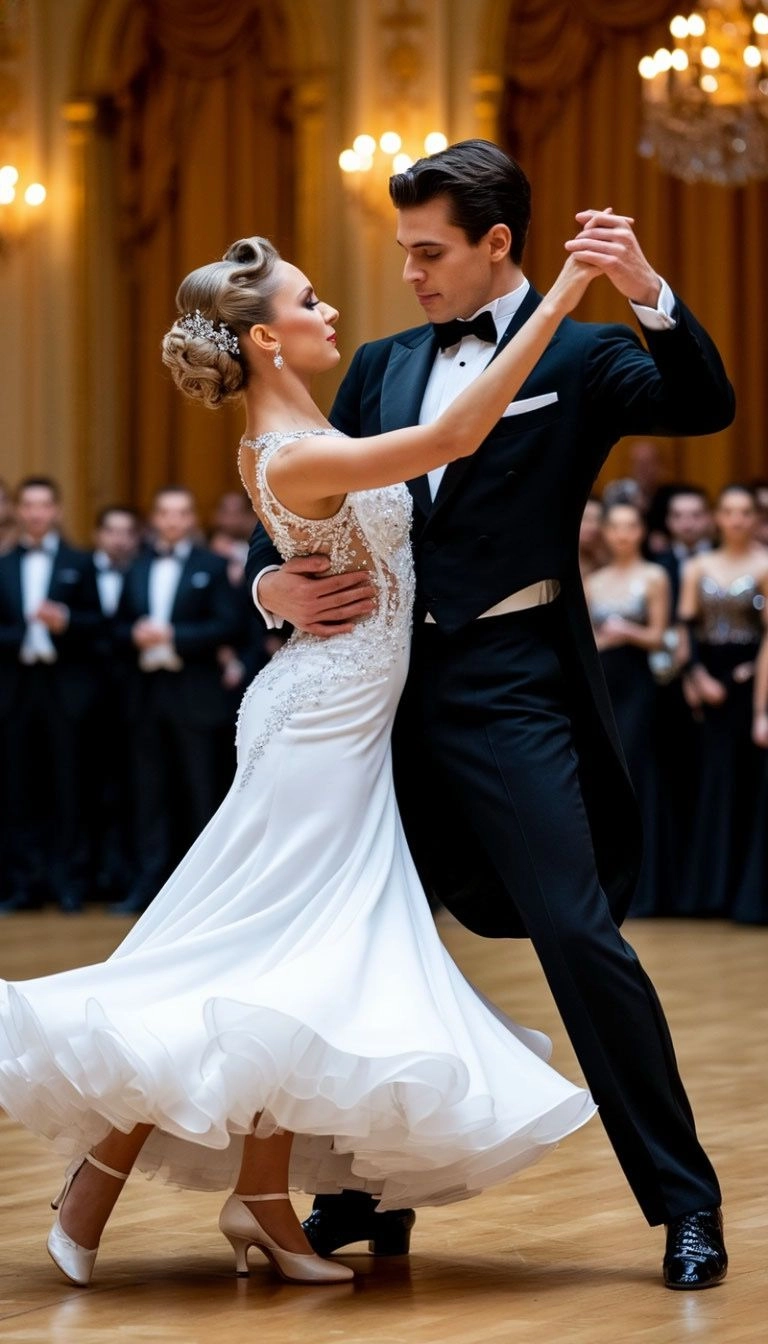
If your output will be watched on large screens, reviewed by a brand team, or composited into a longer edit, MiniMax Hailuo 2.3 is usually the safest "final render" bet. MiniMax positions MiniMax Hailuo 2.3 as a step forward in dynamic expression, visual stability, and micro-expression realism.
Hailuo 0.2 is still valuable as a baseline, but it tends to show earlier-gen artifacts under stress: complex hair textures, fine fabric shimmer, and high-frequency background detail can drift. With MiniMax Hailuo 2.3, teams generally report fewer "texture map" vibes on faces and fewer continuity breaks in lighting during camera moves—exact outcomes still depend heavily on prompt discipline and shot design.
MiniMax Hailuo 2.3 Fast is often "good enough" for mobile-first viewing, social drafts, and rapid concept iteration. Many providers default MiniMax Hailuo 2.3 Fast to 768p for speed/cost trade-offs (resolution depends on provider/plan). If your KPI is "first useful draft in under ~30 seconds," MiniMax Hailuo 2.3 Fast will usually beat MiniMax Hailuo 2.3 on user-perceived responsiveness.
Practical grading checklist (use this in review)
- Face close-up: Does MiniMax Hailuo 2.3 hold pores/skin shading without plastic smoothness? Does MiniMax Hailuo 2.3 Fast smear micro-textures? Does Hailuo 0.2 drift in eye highlights?
- Lighting coherence: During a pan, do reflections stay consistent? MiniMax Hailuo 2.3 is positioned around improved stability.
- Background continuity: Watch signs/textures in the back. Hailuo 0.2 can lose "structure lock" sooner than MiniMax Hailuo 2.3.
- Compression tolerance: If you'll ship to TikTok/Reels, MiniMax Hailuo 2.3 Fast often wins on speed-per-usable-output, even if MiniMax Hailuo 2.3 wins on absolute quality.
3) Motion & Physics: The Real Gap Is "Interaction," Not Just "Movement"
Motion quality isn't only "smoothness." The real production killer is interaction: hands meeting objects, fabric responding to wind, feet contacting wet ground, or a camera whip-pan that doesn't melt the scene. MiniMax's official messaging for MiniMax Hailuo 2.3 highlights improvements in physical actions and motion command response.
Where Hailuo 0.2 can break is at the edges: a cup grip that warps, a skirt that forgets inertia, or rain that looks like a layer rather than a system. MiniMax Hailuo 2.3 is explicitly framed as improving physical realism and character expression, which tends to translate into fewer "clip-through" artifacts in common prompts.
MiniMax Hailuo 2.3 Fast typically preserves the core motion "feel" surprisingly well. For many commercial pipelines, the question becomes: do you need the best interaction fidelity every time (MiniMax Hailuo 2.3), or do you need high throughput with acceptable interaction fidelity (MiniMax Hailuo 2.3 Fast)?
Real-world test prompt template (copy & reuse)
Use the same prompt to compare MiniMax Hailuo 2.3, MiniMax Hailuo 2.3 Fast, and Hailuo 0.2:
- Prompt: "A dancer performs a slow spin in light rain on a wet street at night, camera moves around her, puddles reflect neon signs, skirt sways naturally, close-up facial emotion."
- What to grade: rain-to-cloth interaction, puddle reflections, skirt inertia, face stability during camera motion.
4) Micro-Expressions: When MiniMax Hailuo 2.3 Is Worth Paying For
Micro-expressions are a "conversion feature" when you do narrative, spokesperson-style shots, or character-centered ads. MiniMax and ecosystem partners repeatedly emphasize micro-expression improvements in MiniMax Hailuo 2.3. VEED's messaging around the day-one launch also calls out natural motion and facial detail.
If your shot is a wide or mid-shot, MiniMax Hailuo 2.3 Fast often produces micro-expression quality that's "good enough," especially after social platform compression. But if you're doing close-ups, product hero characters, or high-end narrative beats, MiniMax Hailuo 2.3 usually wins by reducing the "animated mask" feeling that can appear in Hailuo 0.2 and sometimes in MiniMax Hailuo 2.3 Fast under heavy motion.
5) Stylization & Anime Consistency: Don't Ignore This If You're Building IP
Stylization stability matters if you're generating series content (same character, same style, many episodes). MiniMax's own announcement for MiniMax Hailuo 2.3 explicitly includes stylization as an improvement area. In practice, Hailuo 0.2 can still do stylized looks, but line stability and color-block coherence are less predictable across longer or more dynamic sequences.
MiniMax Hailuo 2.3 Fast is attractive here because stylized IP pipelines are extremely iteration-heavy: you want 10 drafts fast, pick 1, then re-render. This "draft with MiniMax Hailuo 2.3 Fast → final with MiniMax Hailuo 2.3" pattern is one of the cleanest production strategies today.
6) Speed & Cost: The "Draft Economics" Model for Choosing Fast vs Standard
Most teams underestimate how much speed changes product metrics. If you're building an interactive experience, the difference between 20–30 seconds and 60–90 seconds is not "slightly faster." It's a different funnel: completion rate, retries, user patience, and perceived quality all move.
That's why MiniMax Hailuo 2.3 Fast often becomes the default in consumer and growth pipelines. Even if MiniMax Hailuo 2.3 wins on final fidelity, MiniMax Hailuo 2.3 Fast can win on "cost per usable draft," "time to first delight," and concurrency capacity. Meanwhile, Hailuo 0.2 can still be useful when its cost is lower and your prompts are already tuned for it.
Decision table: draft vs final render workflow
| Workflow Stage | Recommended Model | Why |
|---|---|---|
| Idea exploration (many variants) | MiniMax Hailuo 2.3 Fast | Maximize throughput and iteration speed; pick winners quickly. |
| Legacy look-matching | Hailuo 0.2 | When your prompts are heavily over-fitted to Hailuo 0.2 aesthetics and you must reproduce a specific "flavor." |
| Final render (brand-safe) | MiniMax Hailuo 2.3 | Best odds for stable micro-expressions, lighting coherence, and fewer interaction artifacts. |
7) Selection Recommendations (EvoLink Playbook)
Here's a selection framework you can paste into your internal docs. It's designed for teams choosing between MiniMax Hailuo 2.3, MiniMax Hailuo 2.3 Fast, and Hailuo 0.2 without endless debate.
Choose Hailuo 0.2 if…
- You have a large library of prompts tuned specifically for Hailuo 0.2 and migration would break critical workflows this quarter.
- You're using Hailuo 0.2 as a stable baseline in A/B tests against MiniMax Hailuo 2.3 and MiniMax Hailuo 2.3 Fast.
- Your content is low-risk, you accept older-gen artifacts, and cost predictability is more important than "best in class."
Choose MiniMax Hailuo 2.3 if…
- Your content will be reviewed on large screens, in client presentations, or as premium ads.
- You're doing narrative close-ups or character-led storytelling where micro-expression quality matters. MiniMax Hailuo 2.3 explicitly targets these improvements.
- You need higher confidence in physical actions, stylization stability, and fewer continuity breaks.
Choose MiniMax Hailuo 2.3 Fast if…
- You run batch generation (e-commerce SKUs, UGC at scale, rapid ad iteration).
- Your app experience depends on responsiveness and you'd rather generate 4 drafts fast than 1 slow.
- Your primary consumption is mobile and you can trade a bit of headroom for speed (resolution depends on provider/plan).
8) Migration Guide: Moving Prompts from Hailuo 0.2 to 2.3 / 2.3 Fast
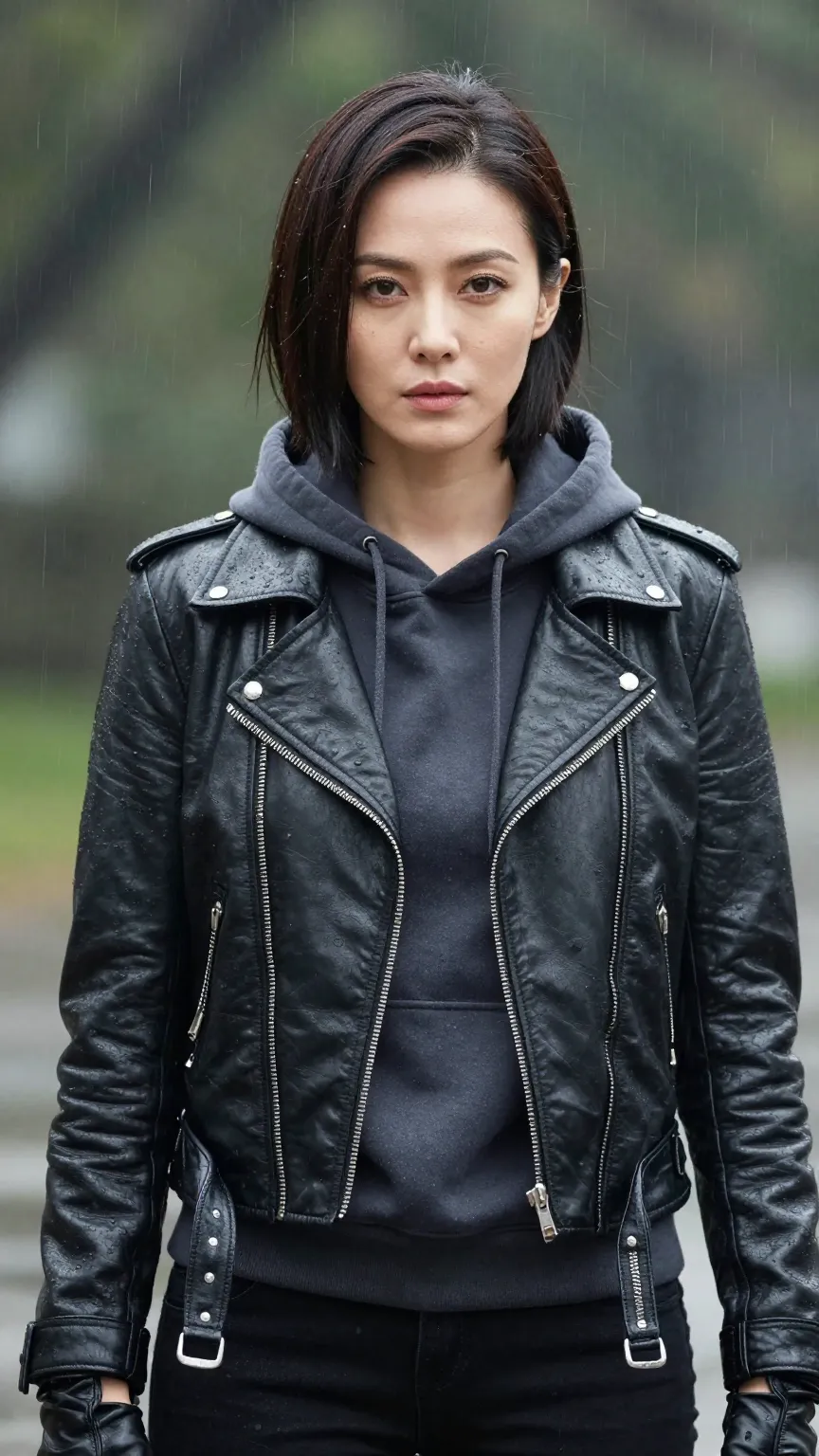
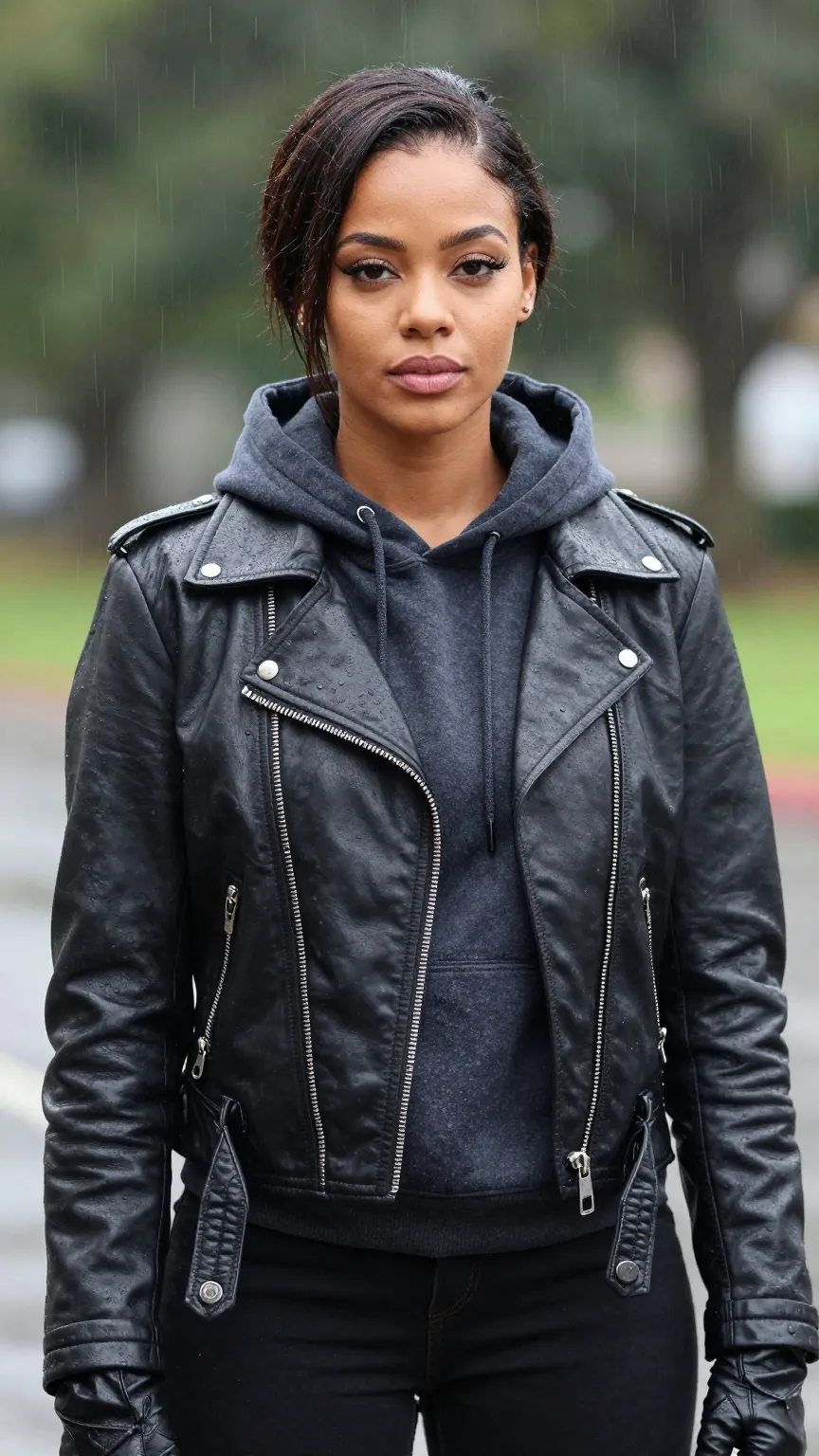
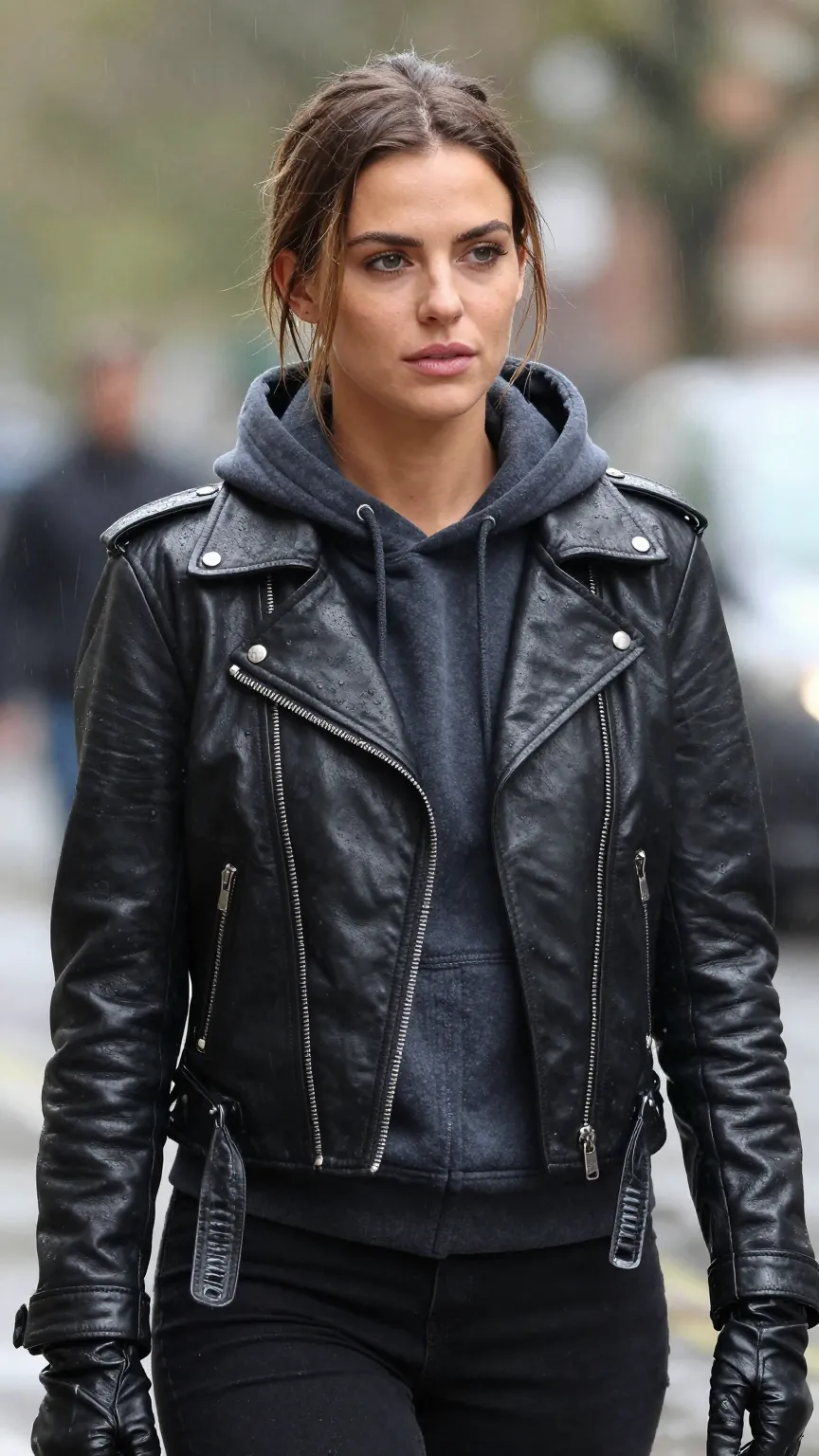
Most "model upgrades" fail because teams assume prompts transfer 1:1. The safer approach is: treat Hailuo 0.2 → MiniMax Hailuo 2.3 as a controlled migration, and treat MiniMax Hailuo 2.3 Fast as a throughput profile you tune separately.
Prompt migration checklist
- Lock shot design: Keep camera language consistent across Hailuo 0.2, MiniMax Hailuo 2.3, and MiniMax Hailuo 2.3 Fast.
- Reduce "over-spec" adjectives: If your Hailuo 0.2 prompts rely on extreme stacks of adjectives to force detail, try simplifying for MiniMax Hailuo 2.3.
- Separate motion vs style tokens: For MiniMax Hailuo 2.3 Fast, keep motion constraints crisp and avoid too many style blends in the first pass.
- Use a two-pass pipeline: Draft on MiniMax Hailuo 2.3 Fast, finalize on MiniMax Hailuo 2.3, keep Hailuo 0.2 as fallback baseline until parity is proven.
9) API Integration on EvoLink.ai: One Endpoint, Three Models
In production, the best architecture is the one that makes switching cheap. Whether you route to MiniMax Hailuo 2.3, MiniMax Hailuo 2.3 Fast, or Hailuo 0.2, your product should be able to change model choice without changing your entire client SDK.
Below is an example of switching to MiniMax Hailuo 2.3 Fast by changing only the
model field.curl --request POST \
--url https://api.evolink.ai/v1/videos/generations \
--header 'Authorization: Bearer <token>' \
--header 'Content-Type: application/json' \
--data '{
"model": "hailuo-2.3-fast",
"prompt": "A cat playing piano, cinematic lighting, stable camera, realistic fur detail.",
"aspect_ratio": "auto",
"enhance_prompt": true
}'Practical production tip: generate 4 drafts with MiniMax Hailuo 2.3 Fast, let the user pick one, then re-render the selected concept with MiniMax Hailuo 2.3. Keep Hailuo 0.2 as a fallback for legacy prompt sets during migration.
10) FAQ: The Questions Teams Actually Ask
Is MiniMax Hailuo 2.3 Fast "good enough" for ads?
If the ad is mobile-first and your funnel values speed, MiniMax Hailuo 2.3 Fast is often the best draft engine. For final brand deliverables, MiniMax Hailuo 2.3 gives you more headroom in micro-expressions and high-frequency details.
Should we completely drop Hailuo 0.2?
Don't drop Hailuo 0.2 until you've validated prompt parity on your top 20 workflows. Many teams keep Hailuo 0.2 as a baseline while gradually moving finals to MiniMax Hailuo 2.3 and drafts to MiniMax Hailuo 2.3 Fast.
How do we explain the difference to non-technical stakeholders?
Explain it as "draft vs final." MiniMax Hailuo 2.3 Fast is your fast storyboard engine; MiniMax Hailuo 2.3 is your final render engine; Hailuo 0.2 is your legacy baseline engine.
Conclusion: A Clean, Modern Strategy for 2026 Pipelines
MiniMax's lineup is now mature enough that the smartest strategy is not picking one model forever—but designing a pipeline where you can switch cheaply. Use MiniMax Hailuo 2.3 Fast to win on speed and throughput, use MiniMax Hailuo 2.3 to win on final fidelity and micro-expression nuance, and keep Hailuo 0.2 as a baseline during migration and for legacy prompt libraries.
If you're integrating through EvoLink.ai, you can treat MiniMax Hailuo 2.3, MiniMax Hailuo 2.3 Fast, and Hailuo 0.2 as configuration choices rather than architecture decisions. That's the difference between "a demo" and a sustainable production system.
Next step: Build a two-stage pipeline: MiniMax Hailuo 2.3 Fast for drafts → MiniMax Hailuo 2.3 for finals, with Hailuo 0.2 as fallback until you've proven parity.


